As global retail continues to evolve, the importance of effective Merchandising Units cannot be overstated. Recent studies suggest that over 60% of consumers make unplanned purchases, influenced by strategic product displays. Merchandising Units play a crucial role in capturing this spontaneous interest. According to a report by Nielsen, well-designed units can increase sales by up to 30%. This statistic highlights the need for global buyers to prioritize innovative merchandising solutions.
In 2026, businesses must adapt to changing shopping behaviors. Data indicates that 73% of shoppers are more likely to buy from retailers offering personalized experiences. Thus, investing in customized Merchandising Units that align with consumer preferences is essential. Companies that fail to do so may find themselves losing market share.
Furthermore, as sustainability becomes a central concern for consumers, the materials and design of Merchandising Units should reflect eco-friendly practices. The industry must continuously assess the impact of these units on both sales and the environment. As we explore the best options for 2026, a critical evaluation of current strategies is necessary. This reflection will inform better practices and enhance overall retail effectiveness.
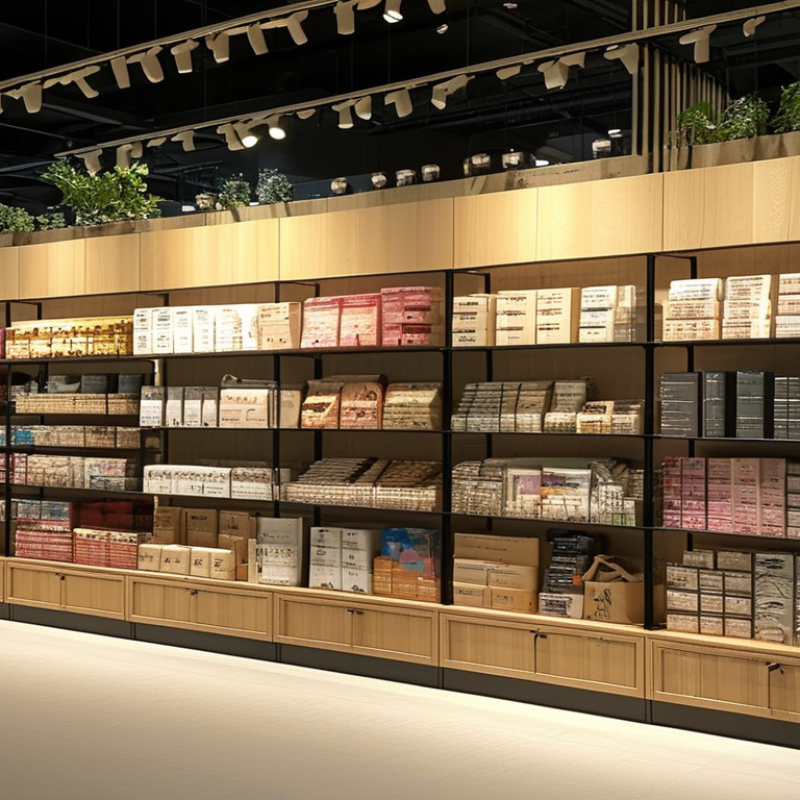
As we look toward 2026, several key trends are shaping the future of merchandising units. The rise of sustainability is significant, with over 70% of consumers seeking eco-friendly products. Brands must innovate their packaging and materials to meet this demand. Reducing waste isn't just a preference; it's a necessity. Companies adopting greener practices often see a boost in customer loyalty, as today's buyers prefer brands that align with their values.
Another vital trend is the integration of technology into merchandising units. Reports indicate that digital displays and interactive kiosks can increase customer engagement by up to 50%. These technologies not only enhance the shopping experience but also provide valuable data for retailers. However, many businesses struggle to keep up with rapid technological advances. It's essential for companies to invest in training and development to effectively use these tools.
Furthermore, personalization in merchandising is becoming critical. Consumers now expect tailored experiences, leading to higher conversion rates. A study from a leading market research firm reveals that personalized marketing can increase sales by as much as 20%. While it offers significant potential, the challenge remains in gathering and using consumer data responsibly. Striking the right balance is crucial for building trust and retaining customers in this evolving landscape.
This chart illustrates the top trends influencing merchandising units in 2026, highlighting the percentage of global buyers' preferences across different categories.
When selecting merchandising units for global markets, specific features can make a significant difference. First, adaptability is crucial. Units should easily fit varying product types and sizes. They should be designed for quick adjustments, allowing businesses to respond to different trends. Flexibility caters to seasonal changes in demand and enhances customer engagement.
Moreover, user-friendly designs play a vital role. Consumers often prefer accessible displays. A unit that highlights products effectively can influence purchasing decisions. Additionally, incorporate sustainable materials. Many buyers are increasingly aware of environmental impacts. Using eco-friendly options not only appeals to this audience but also reflects corporate responsibility.
Lastly, consider the unit’s durability. In global markets, shipping and handling can be rigorous. A sturdy design can withstand wear and tear. However, it’s important to balance durability with weight, ensuring ease of transport. Regularly revisiting these features based on market feedback can lead to continuous improvement, aligning with evolving consumer expectations.
As the merchandising landscape evolves, sustainable practices are becoming crucial for buyers in 2026. According to a recent report by the Global Sustainability Coalition, 70% of consumers prefer brands prioritizing sustainability. This shift underscores the need for merchandising units to adopt eco-friendly strategies.
Retailers can implement several sustainable practices. Utilizing recyclable materials and reducing packaging waste are key actions. Research shows that 80% of consumers are more likely to engage with brands showcasing sustainable initiatives. Online platforms provide ample opportunity to display these efforts, fostering transparency.
Tips for effective integration are essential. Start by assessing your supply chain for sustainable sources. Implement feedback loops to improve your practices based on customer insights. Also, consider partnerships with organizations focused on environmental responsibility. Engaging with customers about your sustainability journey can build trust. The road ahead is not without challenges. Reflecting on your strategies will help unveil areas for improvement.
Emerging technologies are reshaping merchandising experiences in significant ways. Augmented reality (AR) has taken center stage. It allows customers to visualize products in their environment before purchasing. Imagine trying on virtual clothes or placing furniture in your living room. These interactions enhance consumer confidence and decision-making, leading to increased sales.
Artificial intelligence (AI) is another critical player. AI analyzes consumer data and preferences, optimizing inventory management. It predicts trends and enhances personalization. However, reliance on AI can sometimes misinterpret data patterns. This could lead to mismatched offerings that do not resonate with the intended audience. Balancing technology with human insight is essential for a successful strategy.
Additionally, contactless payment options have become a necessity, especially in post-pandemic retail. They streamline the checkout process, making it quicker and safer. Still, this shift raises concerns about data security and privacy. Understanding these challenges is crucial for businesses moving forward. In this dynamic landscape, businesses must remain adaptable, focusing on improving customer trust as technology evolves.
When sourcing effective merchandising units globally, some regions stand out for various reasons. Asia leads the pack, especially countries like China and India. According to a report by Market Research Future, the Asia-Pacific region is expected to see a CAGR of 10% in merchandising effectiveness by 2026. This growth is primarily due to their robust manufacturing capabilities and a vast labor pool.
In Europe, countries like Germany and France are also worthwhile. They offer advanced design and branding expertise. A report from Statista highlights that the European merchandising market is projected to reach $32 billion by 2026, driven by innovative promotional strategies. Additionally, North America provides a strong retail environment. The U.S. market is noted for its focus on customer experience integration. This trend is supported by research from Nielsen, indicating that 77% of consumers prefer brands that engage them.
Tip: Always assess local market trends. Understanding cultural preferences can significantly impact buying decisions.
Not every region shines in every aspect. Challenges may arise, such as varying quality standards and lead times. It's crucial to weigh these factors against potential benefits. Regularly reviewing partnerships and supply chains may lead to more effective sourcing.
Tip: Consider conducting pilot tests in different regions. This could provide valuable insights before larger investments.
: Augmented reality helps customers visualize products in their environments. It boosts confidence in purchasing decisions.
AI analyzes consumer data to optimize inventory. It predicts trends and personalizes offerings effectively.
AI can misinterpret data patterns. This may lead to offers that do not match customer preferences.
Contactless payments streamline checkout processes. They offer a quicker and safer shopping experience.
Data security and privacy issues arise with contactless payment methods. Businesses need to address these challenges.
Asia, particularly China and India, leads in effective merchandising. They have strong manufacturing capabilities.
Countries like Germany and France excel in design and branding. They employ innovative promotional strategies.
Assessing local market trends and cultural preferences is vital. It can significantly influence buying decisions.
Regularly reviewing partnerships and supply chains can enhance sourcing strategies. Pilot tests in different regions help gather insights.
Different quality standards and lead times pose significant challenges. Balancing these factors is crucial for successful sourcing.
The article "2026 Best Merchandising Units for Global Buyers to Consider" explores the significant trends and innovations shaping the landscape of merchandising units in the upcoming year. Key trends include a strong emphasis on sustainability, as buyers increasingly seek merchandising units that adopt eco-friendly practices and materials. Additionally, emerging technologies are revolutionizing customer engagement, allowing for more interactive and immersive shopping experiences.
When sourcing effective merchandising units globally, it is crucial to consider key features such as adaptability to different retail environments and enhanced visual appeal. The article also highlights the best regions for sourcing these units, providing insights that can aid global buyers in making informed decisions. As the landscape evolves, staying ahead of trends and leveraging technology will be vital for maximizing the impact of merchandising units in 2026.

Everack