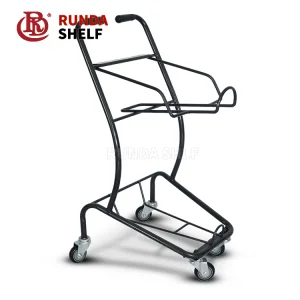
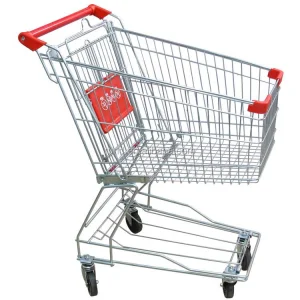
Premium fleet options designed for high nesting density, durability, and ergonomic handling across international retail floors.
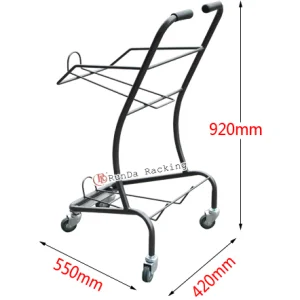
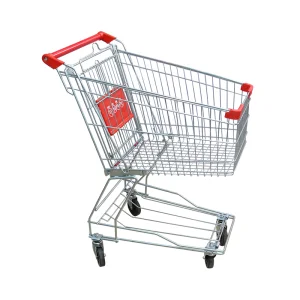
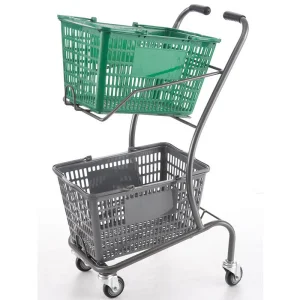
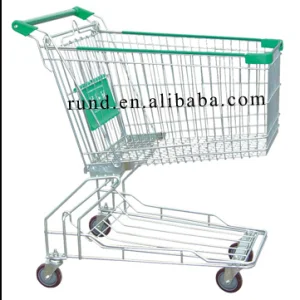
An analytical evaluation of customer mobility, material science, and design optimization on physical retail bottom lines.
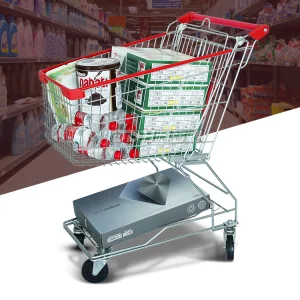
The global retail shopping cart landscape is transitioning away from standard utility and towards intelligent user ergonomics and logistics systems. No longer viewed simply as steel wire frames on casters, contemporary shopping carts serve as crucial data collector points and primary touchpoints for physical customer interaction. Modern supermarket design demands lower rolling resistance, minimal acoustics, smart-device integration, and spatial efficiency. Additionally, nesting distance (how tightly carts fit together when stored) has become a primary metric for spatial optimization in modern city centers where store real estate values are high.
In addition, sustainable supply chain mandates are altering material configurations. Manufacturers are blending recycled post-consumer plastics with low-carbon structural steel to meet ESG standards without losing mechanical strength. Our recent engineering trials demonstrate that composite hybrid models decrease total cart weight by 15%, reducing energy consumption during transit and lowering manual handling stress on store floor personnel.
Global procurement teams at enterprise supermarkets, logistics networks, and DIY hypermarkets require solutions that balance durability with long-term cost. Key considerations include:
Premium enterprise with over 12 years of core industry experience in industrial racking design and structural manufacturing.
Established in 2014, Nanjing Everack operates from a modern industrial center spanning 38,500 square meters in Nanjing, China. Over our 12 years of manufacturing experience, we have built a resilient, vertically integrated production ecosystem designed to support high-capacity, international orders. With 9 years of direct export history, our industrial equipment, commercial retail shelving, and custom trolley configurations serve high-tier buyers across North America, Western Europe, and Australia, generating USD 28.5 million in annual export revenue.
Our supply chain ecosystem features more than 1,200 upstream partners, including premium steel mills, specialized powder suppliers, and precision hardware fabricators. This robust supplier network allows us to secure reliable raw materials even during market volatility, ensuring production continuity and stable lead times for third-party logistics (3PL) providers, global e-commerce distribution centers, cold storage operations, and large-scale retail brands.
Quality control is integrated into every phase of our manufacturing lines, led by 45 certified QC inspectors. Our quality management systems comply with ISO 9001, CE, and AS4084 structural safety standards. Our QA workflows include:
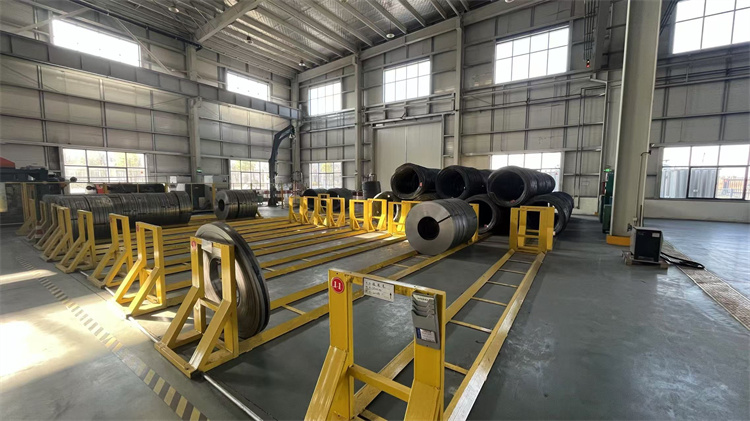
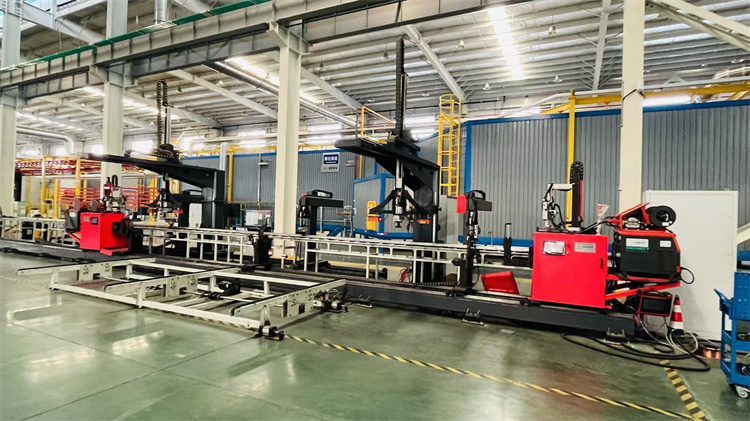
From raw wire drawing to automatic robotic welding and protective coating, view our step-by-step production line.




How advanced engineering capabilities address custom design requirements and variable environment safety compliance.
Nanjing Everack employs a professional team of 68 R&D engineers who utilize Finite Element Analysis (FEA) and 3D CAD software to build functional, resilient retail structures and fleet transportation units. This engineering group introduced 185 new designs and custom layout variations last year alone. Our customization options cover:
Global grocery chains operate under different localized environments, which shape their equipment preferences:
Detailed technical answers for global procurement officers, quality control engineers, and retail logistics managers.
To prevent corrosion in high-humidity or coastal regions, we apply a multi-step surface treatment. This begins with electrolytic zinc plating, followed by a chemical conversion seal, and is finished with an organic, clear polyester powder coat. This combination creates a dual-layer barrier that provides excellent rust resistance during salt spray performance testing.
Nesting distance refers to the space added by each cart when stacked together. By using a tapered wire frame and a pivoting rear gate, we reduce our average nesting increment to 190mm. This configuration allows store operators to store up to 50 carts in a single 11-meter lane, maximizing available floor space.
We recommend thermoplastic rubber (TPR) or thermoplastic polyurethane (PU) wheels with precision double-ball bearings. TPR tires absorb surface vibration to reduce noise, while polyurethane provides excellent load capacities and prevents flooring scuffs on epoxy, terrazzo, or concrete store floors.
Yes. Our production line includes custom plastic extrusion and pad printing for handle assemblies. We can integrate coin deposit lock mechanisms (suitable for 1-Euro, 1-Dollar, or custom tokens) and prepare handles to mount scanners, smart tablets, or store directories.
Our manufacturing and engineering design practices follow ISO 9001 quality management guidelines, European CE conformity standards, and Australian AS4084 requirements for structural safety. Every order undergoes inspection before dispatch, and raw materials are fully traceable back to their origin mills.
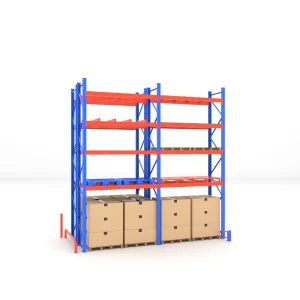
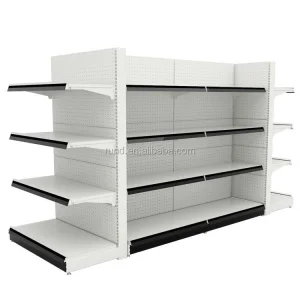
Heavy duty models, multi-level platforms, and high-capacity storage racks for high-volume commercial venues.
 Everack