2026 Best Retail Displays Trends Every Buyer Should Know?

Time:2026-08-06 Author:Ethan
0%

In the fast-evolving world of retail, understanding the latest trends in Retail Displays is crucial for any buyer. According to a recent report by the Market Research Society, 75% of consumers make purchase decisions based on store displays. This highlights the power of visual merchandising and its impact on consumer behavior. Experts suggest that effective displays can boost sales by up to 30%.

Retail Displays are not merely decorative elements; they serve a functional purpose in guiding customer journeys. Renowned retail analyst, Sarah Thompson, emphasizes, "A well-designed display can tell a story and create an emotional connection with shoppers." Her insights reflect the growing trend of experiential retail, where displays engage customers more deeply.

However, despite the potential, many retailers struggle with implementation. Common pitfalls include misaligned branding and neglecting customer flow. A savvy buyer must remain vigilant about these issues. Comprehensive knowledge of the latest display trends is essential to enhance the shopping experience, drive sales, and ultimately, build customer loyalty.
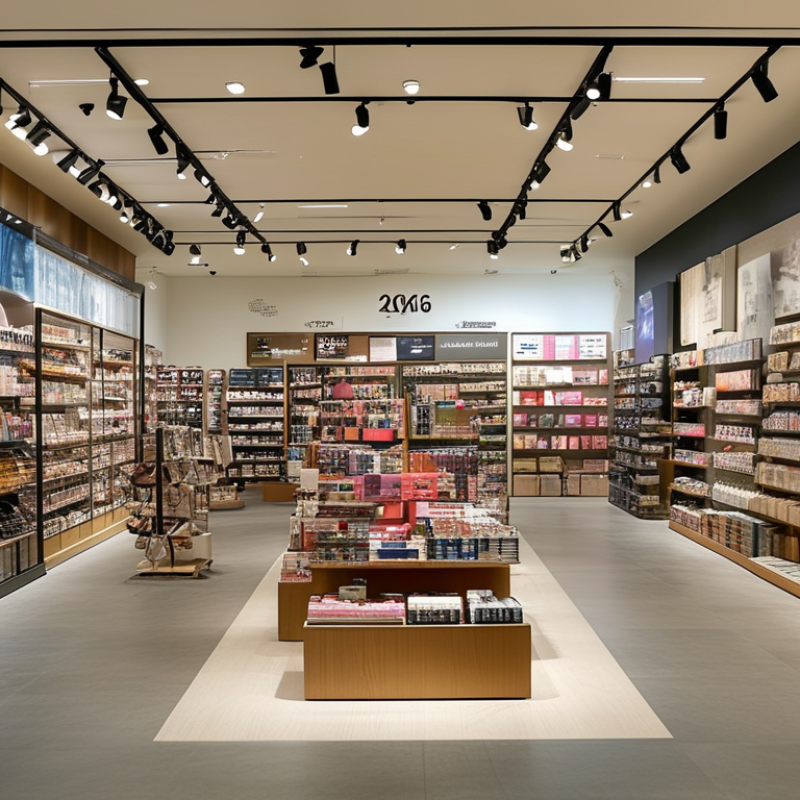
2026 Best Retail Displays Trends Every Buyer Should Know?

2026 Retail Displays: The Role of Sustainability in Consumer Choices

Sustainability is becoming a critical factor in retail displays. According to a recent study by Nielsen, 73% of global consumers are willing to change their consumption habits to reduce environmental impact. This shift presents a challenge for retailers who need to adapt their display strategies to align with these evolving consumer preferences.

In 2026, the use of eco-friendly materials in retail displays is expected to rise significantly. Recyclable and biodegradable options are not just trends; they are becoming consumer expectations. Displays that highlight sustainability can enhance brand loyalty. A survey from Forbes indicates that 65% of consumers are more likely to buy from brands that focus on environmentally responsible practices.

Yet, many retailers struggle to incorporate sustainable practices effectively. Some displays still rely on unsustainable materials, which can confuse consumers. As competition grows, brands must actively reflect on their display choices. The integration of sustainability must be genuine, not just a buzzword. Only then can retailers truly resonate with today's conscious consumers.

2026 Retail Displays Trends: The Role of Sustainability in Consumer Choices

Innovative Technology Integration: Augmented Reality and Retail Displays

Augmented reality (AR) is transforming retail displays in remarkable ways. This technology offers an immersive experience. Customers can visualize products in real time. Imagine trying on clothes virtually or placing furniture in your living room through a screen. Such experiences create heightened engagement. Retailers are eager to adopt these innovations.

Implementing AR is not without challenges. It requires investment in technology and staff training. Retailers must ensure that AR experiences are user-friendly. Complex interfaces may frustrate customers. Businesses need to balance technology and personal interaction to avoid alienating shoppers.

Consumer preferences also vary. Some people embrace high-tech solutions, while others prefer traditional methods. Feedback is essential for refining AR applications. Retailers must remain adaptable. The best results come from continuous learning and improvement. Only then can businesses harness AR's full potential in enhancing retail displays.

Data-Driven Design: How Analytics Shape Retail Display Trends

In 2026, data-driven design will continue to redefine retail displays. Analytics are crucial for understanding consumer behavior, leading to more effective displays. According to a recent industry report, retailers utilizing data analytics see sales increases of up to 30%. This significant rise highlights the importance of informed design decisions.

For example, heat maps can illustrate where shoppers spend the most time. Based on this information, retailers can optimize product placements, ensuring high-demand items grab attention. It’s essential to keep displays agile. Trends change quickly. Responsive designs will keep retailers ahead.

Tip: Regularly analyze customer interaction data. This can guide layout adjustments in real time. Utilize tools that track customer flow. Such insights can transform static displays into dynamic shopping experiences.

While data can enhance strategy, there’s a risk of over-reliance. Not every consumer responds predictably to analytics. Blend quantitative data with qualitative feedback to create holistic displays. Engage customers through surveys or focus groups. This will provide deeper insights beyond numbers alone. Balancing data with genuine customer engagement is key for successful retail displays in 2026.

2026 Best Retail Displays Trends Every Buyer Should Know

Trend Description Impact on Sales Consumer Engagement Analytics Utilization
Sustainable Materials Utilizing eco-friendly materials in display designs. +15% increase Higher engagement with eco-conscious consumers. Data analytics helps in sourcing sustainable materials.
Interactive Displays Incorporating touch screens and augmented reality. +20% increase Significant boost in customer interaction times. Analytics track user interaction data to refine experiences.
Experiential Zones Special areas for immersive brand experiences. +30% increase Deep emotional connection with the brand. Analytics used to evaluate zone performance and foot traffic.
Personalization Tailoring displays based on customer data. +25% increase Enhances customer loyalty and satisfaction. Data analytics used to create tailored recommendations.
Digital Signage Using screens for dynamic promotional content. +10% increase Immediate attention and informational support. Analytics to adjust content based on customer behavior patterns.

Visual Merchandising Techniques: Enhancing Customer Engagement in 2026

In 2026, visual merchandising will become an essential tool for enhancing customer engagement. The fusion of technology and creativity will drive new display trends. Displays will be more interactive and immersive. They will enable customers to experience products in unique ways. This shift invites shoppers into a narrative that resonates with them.

Utilizing augmented reality (AR) can boost customer interactions. AR can bring static displays to life, allowing customers to visualize products in their own environments. This will create a memorable and engaging shopping experience. Ensure the AR features are user-friendly to avoid frustrating potential buyers.

Creating sensory experiences is crucial. Incorporating sound, scent, or touch will engage customers on multiple levels. Bright colors and creative lighting will draw attention. Experimenting with various textures and materials can add depth to displays. Be mindful, though—overly complex setups may confuse customers. Focus on clarity alongside creativity.

Trends in Interactive Displays: Boosting Sales Through Customer Interaction

As the retail landscape evolves, interactive displays are becoming essential for engaging customers. According to a report by Retail Dive, 67% of consumers prefer shopping at stores that adopt interactive technology. These displays create memorable experiences, leading to increased dwell time and ultimately higher sales.

Interactive displays can serve multiple functions. They can provide product information, offer personalized recommendations, and even facilitate instant purchases. For instance, a study from the Association for Retail Technology Standards revealed that retailers utilizing interactive screens saw a 20% increase in sales conversion rates. This reflects the growing customer demand for tech-enhanced shopping experiences.

However, not all interactive displays succeed. Poor execution can lead to confusion or frustration. According to a recent Nielsen study, 42% of customers reported difficulty using technology in stores. This highlights the importance of intuitive design. Retailers must continually assess their displays. Are they truly enhancing the shopping experience, or just complicating it? Finding the right balance is crucial for maximizing customer enjoyment and sales.

FAQS

: What is augmented reality (

R) in retail?

How can AR enhance the shopping experience?

Customers can try on clothes virtually or place furniture in their homes, making shopping more interactive and enjoyable.

What challenges do retailers face when implementing AR?

Retailers must invest in technology and train staff. Complex interfaces can frustrate customers, impacting engagement.

Why is consumer feedback important in using AR?

Feedback helps refine AR applications, ensuring they meet diverse consumer preferences and improve overall experiences.

How does data analytics impact retail displays?

Analytics help understand consumer behavior. Informed design decisions can lead to sales increases, optimizing customer interaction.

What role does customer interaction data play in display design?

Regular analysis of customer interactions allows retailers to adjust layouts and create dynamic, engaging displays in real time.

Why is balancing data with qualitative feedback important?

Relying solely on data can lead to misjudgment. Combining it with direct customer input offers a more rounded understanding.

What is the significance of visual merchandising in 2026?

It will enhance customer engagement by merging technology and creativity, leading to interactive and memorable shopping experiences.

How can sensory experiences improve retail displays?

Engaging sounds, scents, and textures can stimulate customers’ senses, making displays more attractive and inviting.

What should retailers avoid in their display designs?

Overly complex setups may confuse customers. Clarity should be prioritized alongside creative elements for effective engagement.

Conclusion

The article "2026 Best Retail Displays Trends Every Buyer Should Know" explores the evolving landscape of retail displays, highlighting key trends that are shaping consumer preferences and shopping experiences. Sustainability emerges as a pivotal factor, influencing purchasing decisions as shoppers increasingly favor eco-friendly options. Additionally, the integration of innovative technologies like augmented reality is revolutionizing how retail displays engage consumers, offering immersive shopping experiences that enhance interaction and satisfaction.

Furthermore, the article emphasizes the role of data-driven design in optimizing retail displays. By leveraging analytics, retailers can tailor their strategies to better meet consumer needs. Visual merchandising techniques are also crucial for enhancing customer engagement, while interactive displays are becoming essential tools for boosting sales through active customer participation. Together, these trends indicate a significant shift towards creating more dynamic and engaging retail environments in 2026.

Ethan

Ethan

Ethan is a seasoned marketing professional with a deep expertise in our company's innovative product line. With a passion for sharing knowledge and insights, he takes the lead in regularly updating our corporate blog, where he explores industry trends, product features, and effective marketing......