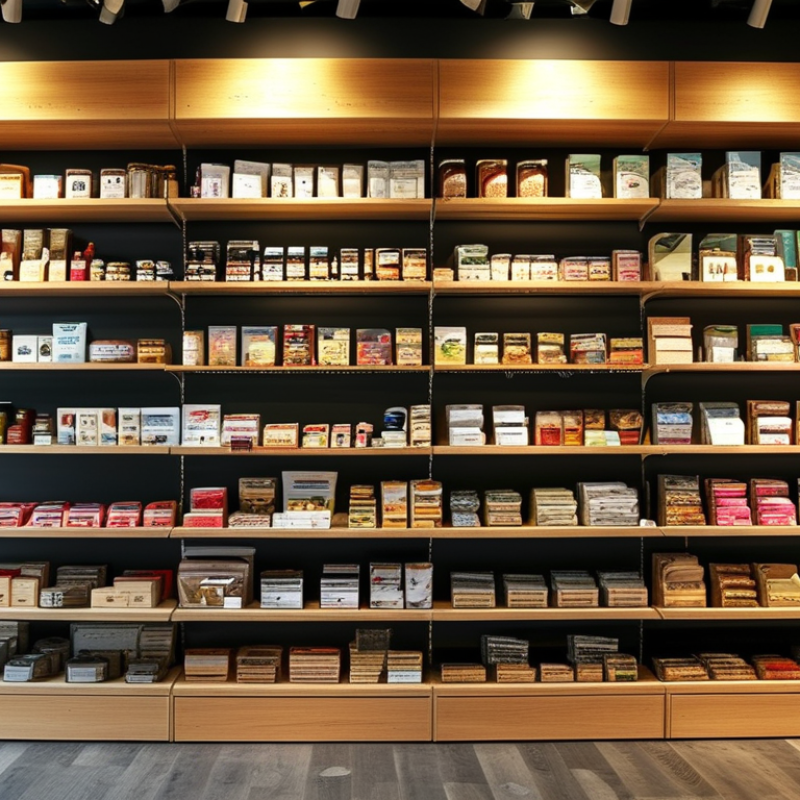
When it comes to retail success, the right Retail Shelving Units play a crucial role. They can enhance product visibility and improve customer experience in your store. Selecting the best shelving units requires an understanding of your merchandise and store layout.
There are various styles and materials available, each offering unique benefits. For instance, glass shelves can create a sleek, modern look, while wooden units add warmth. Consider how these options align with your brand's identity. However, choosing the wrong type of shelving can lead to wasted space and poor organization.
It's essential to evaluate the functionality of your shelving units. Do they support your inventory efficiently? Are they adjustable to accommodate different products? Investing time in this decision can significantly impact your store’s appeal. Remember, the right Retail Shelving Units can boost sales and keep customers coming back.
Understanding Retail Shelving Units and Their Importance
Retail shelving units play a crucial role in store design and customer experience. They are not just functional; they shape how customers interact with products. Effective shelving can maximize space and enhance product visibility. Therefore, choosing the right units is essential for any retailer.
Understanding the different types of shelving is important. Wall-mounted units can save floor space, while freestanding displays create focal points. Some retailers overlook the significance of height and arrangement. Cluttered shelves can confuse shoppers and hinder sales. It's vital to strike a balance between displaying products and maintaining a clean, organized look.
Investing time in shelving design reflects a store's brand image. A visually appealing layout attracts customers and encourages them to stay longer. Some retailers might default to standard designs without considering their unique needs. Taking the time to evaluate what works best can lead to better sales and customer satisfaction.
What is the Best Retail Shelving Units for Your Store? - Understanding Retail Shelving Units and Their Importance
| Type of Shelving |
Material |
Load Capacity |
Best For |
Size Options |
| Wall-Mounted Shelves |
Wood/Metal |
50-100 lbs per shelf |
Small Stores, Boutiques |
24" - 48" |
| Gondola Shelving |
Metal |
200-600 lbs per unit |
Grocery Stores, Supermarkets |
48", 72" - 96" |
| Display Racks |
Metal/Wood |
100-300 lbs |
Retail Stores, Clothing Shops |
36" - 60" |
| Corner Shelving Units |
Wood |
50-150 lbs per shelf |
Small to Medium Stores |
30" - 48" |
| Adjustable Shelving |
Metal |
100-400 lbs per unit |
Warehouses, Large Retail Stores |
36" - 96" |
Types of Retail Shelving Units: A Comprehensive Overview
When selecting retail shelving units, understanding the various types available is vital for optimizing your store layout. Traditional shelf units, often made of wood or metal, are sturdy and provide ample space for display. According to a report by the Retail Industry Leaders Association, about 70% of consumers interact with products placed at eye level. Therefore, the height and arrangement of these shelves are crucial.
Another type of shelving unit is gridwall systems. These versatile units allow for adjustability and can accommodate a diverse range of products. A study from the National Retail Federation indicates that stores using gridwall systems can increase their sales by up to 15% due to enhanced product visibility. While these systems may provide flexibility, they often lack stability when overloaded.
Endcap shelving is also popular in retail environments. This type is designed for promotional displays and features higher visibility. However, endcaps can lead to clutter if not organized properly, potentially deterring customers. Effectively managing these units requires careful planning and routine assessments of the layout, ensuring they align with the store's overall branding and sales strategy.
Retail Shelving Unit Types and Their Popularity
Factors to Consider When Choosing Retail Shelving Units
When selecting retail shelving units, various factors come into play. First, assess the layout of your store. A shelving unit that complements the space can enhance customer flow. Consider height and depth to maintain visibility. Low shelves can create an open feel, while taller units maximize vertical space. It's essential to balance aesthetics with functionality.
Next, think about the durability of materials. Retail shelves often face daily wear and tear. Choose robust materials that withstand the test of time. Metal or solid wood may offer the strength needed, while lighter materials can suit temporary displays. The weight capacity is another crucial aspect. Shelves must support products without risk of collapsing.
Finally, reflect on your product types. Different items require different shelving styles. Groceries need sturdy shelving, while clothing may benefit from adjustable units. Think about accessibility, too. Shoppers should easily reach items. Involving staff in the selection process may yield insightful feedback. Their on-the-ground experience can pinpoint what works best, leading to informed decisions.
Maximizing Store Space with the Right Shelving Solutions
Maximizing store space is crucial for profitability. Retail shelving units play a significant role in this aspect. They help display products efficiently. When choosing shelving solutions, consider the layout of your store. A well-organized shelf can attract more customers. Open shelving offers visibility, while enclosed units can make a tidy impression.
Think about the height and depth of your shelves. Going vertical can save floor space. However, make sure items are accessible. Customers should easily reach products. If shelves are too high or deep, this might frustrate them. Frequent misplacement of items can also occur, leading to disorganization.
Reflect on the materials used for shelving. Wood, metal, and glass each offer different aesthetics and durability. Some may scratch easily or collect dust. Your choice will impact not just the lookout, but also the maintenance effort. Regularly assess how your shelving aligns with your sales strategy. A flexible shelving solution can adapt as inventory changes.
Maintenance and Durability of Retail Shelving Units
When selecting retail shelving units, maintenance and durability are crucial factors. Shelving can take a beating from heavy products and daily use. Materials like metal or high-grade plastic can withstand more wear and tear compared to cheaper alternatives. However, cost-saving choices may give a false sense of security. Regular maintenance is essential to extend the lifespan of your shelving. Simple tasks like dusting and checking for loose screws can prevent bigger issues down the line.
Another factor to consider is the environment in which the shelving will be used. Humid conditions can lead to rust, while dry environments may cause wood to warp. It's important to choose materials appropriate for these conditions. Cleaning is often underestimated, yet it plays a significant role in durability. Build-up of dirt or residue might not seem alarming initially, but over time, it can degrade materials more quickly than expected. Regular inspections can help identify any wear, allowing for timely repairs.
Ultimately, the best shelves balance aesthetics, functionality, and durability. Even the most attractive shelves may require frequent replacements if not maintained properly. Observing how shelves perform in the store can reveal hidden issues. Proper care today contributes to reliability tomorrow. Investing time in maintenance reflects commitment to quality, ultimately benefiting both the product and customer experience.
FAQS
: They enhance customer experience and influence product interaction, maximizing space and visibility.
Wall-mounted units save space; freestanding displays create visual focal points.
They confuse customers and may hinder sales, making organization essential.
Store layout, height, depth, and the balance between aesthetics and functionality matter.
Shelves endure daily use, so robust materials prevent damage and collapse.
Yes. Groceries need sturdy shelves, while clothing may need adjustable units.
Their experience can highlight practical needs, informing better retail decisions.
Some may overlook their unique needs, potentially missing opportunities for improved sales.
They may limit accessibility, making it hard for customers to reach products.
A visually appealing layout attracts customers and encourages longer visits.
Conclusion
Retail Shelving Units are essential components in any retail environment, playing a crucial role in showcasing products effectively while optimizing store layouts. Understanding the various types of shelving units available is vital, as different designs cater to distinct product types and store formats. From gondola shelving to wall-mounted fixtures, a comprehensive overview helps store owners make informed decisions tailored to their specific needs.
When selecting Retail Shelving Units, several factors must be considered, including the durability, maintenance requirements, and overall aesthetic appeal. Additionally, maximizing store space through strategic shelving solutions is key to enhancing customer experience and increasing sales. Ultimately, investing in high-quality retail shelving not only improves organization but also contributes significantly to the overall success of the store.

 Everack