In today's competitive landscape, businesses must prioritize efficiency and organization. Finding the best storage solutions can significantly impact operational success. The right storage options help streamline processes and reduce costs. Many businesses overlook the importance of effective storage strategies.
When selecting storage solutions, consider your specific needs. Think about the type of materials or products you store. Evaluate the available space and assess how storage can enhance productivity. Sometimes, the most straightforward options will offer the best results. Exploring different configurations can open new avenues for organization.
Moreover, not all storage solutions are created equal. Each option presents unique challenges. Businesses may face difficulties in choosing between traditional shelving or modern modular systems. Taking the time to weigh pros and cons ensures informed decisions. Reflecting on past experiences can lead to better choices for future storage needs. Always remember that the right solutions can transform your workspace.
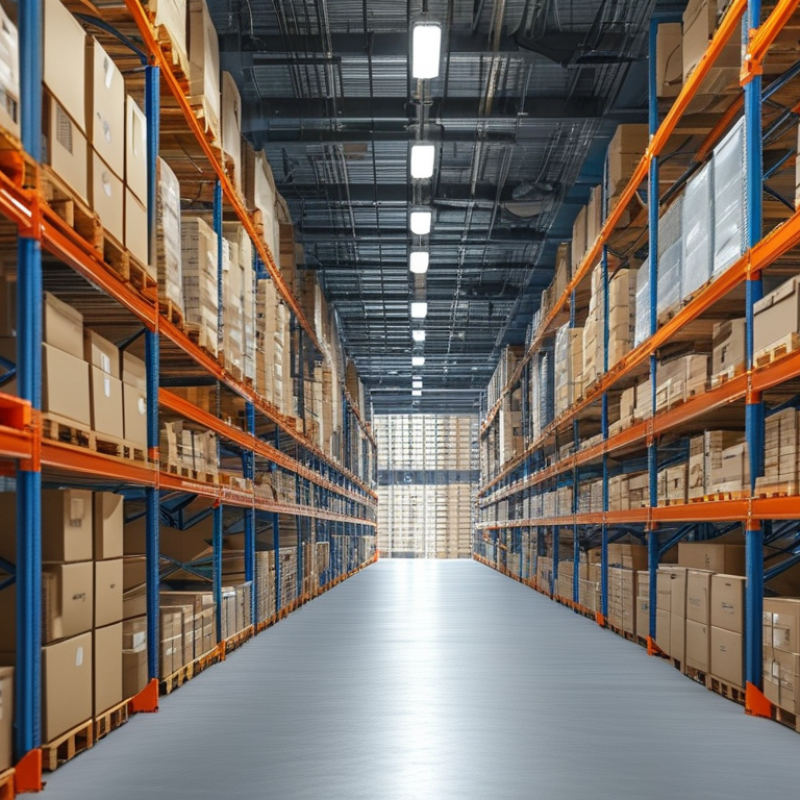
Identifying your business's unique storage needs is crucial for efficiency. Every business faces different challenges. Understanding those challenges can guide your storage solution choice. According to a recent report by Storage Strategies Council, 78% of businesses experience inventory management issues due to inadequate storage.
Assess your current space and inventory flow. Are you maximizing vertical space? Utilizing shelving and bins can increase efficiency. Take note of frequently accessed items. They should be easily accessible to streamline daily operations. In contrast, seasonal items can be stored further away. Customizing your storage to these needs can optimize productivity.
Consider the safety of your products. If you store fragile goods, use suitable materials like protective shelving. You may also need climate control for perishable items. The National Association of Manufacturers shows that 83% of firms acknowledge safety as a pivotal factor in storage management. Reassessing your storage strategy regularly can reveal areas for improvement. Small adjustments can lead to significant benefits over time.
When evaluating different types of storage solutions, it is crucial to consider your business's unique needs. According to a report by the International Warehouse Logistics Association, about 60% of companies are dissatisfied with their current storage systems. This dissatisfaction often stems from a lack of understanding of available options.
There are numerous storage types, such as traditional shelving, pallet racking, and automated systems. Each method has its pros and cons. Traditional shelving is cost-effective but may not maximize vertical space. In contrast, automated storage solutions can significantly improve efficiency but require a hefty initial investment. A comprehensive evaluation should include a thorough analysis of space utilization and growth projections. Industry studies show that optimizing storage can lead to a 20% increase in productivity.
The importance of scalability cannot be overstated. As businesses grow, their storage needs change. For example, a company that started small may eventually require specialized solutions like high-density storage systems. Choices made today can significantly impact future scalability. Hence, reflecting on current and future needs is essential for a viable storage strategy.
When seeking the best storage solutions for your business, costs and benefits are crucial factors to consider. Each option offers unique advantages and weaknesses. Traditional warehouses offer ample space but may incur high rental costs. In contrast, self-storage units can provide flexibility at a lower price, but they may lack the security and climate control needed for sensitive items.
One vital tip is to assess the specific needs of your business. Determine what you will store and how often you'll access it. Calculate the total costs, including transaction fees and logistics. Sometimes, a lower initial cost may lead to higher long-term expenses. Reflect on past decisions; if they didn’t meet your needs, adjust your strategy.
Explore innovative storage solutions as well. Mobile storage units are becoming popular. They provide on-site convenience and efficiency. However, consider whether these units align with your operational requirements. Research different options and evaluate their reliability before making a commitment. Don't rush the process; the ideal solution may take time to uncover.
When choosing storage solutions for your business, scalability and flexibility are crucial. Assess your current storage needs. However, consider future growth, too. If your company expands, your storage system must adapt. A rigid system can become a bottleneck, hindering operations. Flexibility allows for adjustments without significant disruptions.
Evaluate the types of data you'll store. Some may need quick access, while others can be archived. A versatile storage system can accommodate both. Look for options that allow easy integration with existing tools. This ensures a seamless workflow. However, technology changes rapidly. It’s important to stay informed about trends that could affect your storage solutions.
Also, assess how easy it is to manage and maintain the storage system. Complex systems can lead to frustration. Consider how often you might need to upgrade or change your storage. A solution that suits today’s needs may not suffice in a year. Regularly reviewing your storage strategy is essential to remain efficient. Keep an eye on costs, too. Sometimes lower initial expenses can mask long-term inefficiencies. Fostering a mindset of continuous improvement is key.
When choosing storage solutions, security and accessibility are paramount. A recent study from the Storage Industry Association indicates that 70% of businesses prioritize security features when selecting a storage provider. Implementing advanced security measures, like encrypted file storage and access controls, helps protect sensitive information. Without these safeguards, data breaches can become costly, averaging $4.24 million per incident, as reported by IBM.
Accessibility should also be a core consideration. Many solutions now offer cloud integration, allowing seamless access from various devices. According to a survey conducted by Gartner, businesses that prioritize accessibility improve productivity by up to 30%. However, this requires a balance. Overly complex systems can lead to user frustration. Employees may struggle to adapt to sophisticated interfaces, limiting their efficiency.
Regular audits of your storage solution are crucial. They reveal if the system meets evolving business needs. A lack of ongoing evaluation can result in outdated practices. Companies often invest heavily in security yet overlook regular updates. Relying solely on initial setup can leave vulnerabilities that compromise both security and accessibility. Keeping these elements aligned ensures your business is well-equipped to handle its data management needs.
: It helps to improve efficiency and manage inventory effectively. Improper storage can lead to management issues.
Maximize vertical space and use shelving. Keep frequently accessed items within easy reach.
Use protective materials for fragile items and consider climate control for perishables to ensure safety.
Assess needs, access frequency, and total costs. Lower initial costs might lead to higher long-term expenses.
They offer convenience but evaluate if they meet your specific operational requirements before committing.
Advanced security protects sensitive data and can prevent costly breaches. 70% of businesses prioritize security features.
Prioritizing accessibility can boost productivity by up to 30%. But overly complex systems can frustrate users.
Yes, it reveals if your solution aligns with current business needs. Outdated practices can create vulnerabilities.
Consider past decisions and be willing to adjust strategies. Not every strategy will fit your evolving needs.
They can result in significant benefits over time. Regular reassessment can uncover hidden areas for improvement.
Finding the best storage solutions for your business requires a thorough understanding of your unique storage needs. Start by identifying what specific requirements your business has, whether it involves space for physical inventory, data storage, or equipment. This initial assessment will serve as a foundation for evaluating various types of storage solutions available in the market.
Once you have a clear picture of your needs, compare costs and benefits of different options, considering not only the initial investment but also long-term implications. It's essential to assess the scalability and flexibility of the chosen storage systems to ensure they can grow with your business. Lastly, prioritize security and accessibility, as a well-designed storage solution should protect assets while allowing easy access to them when needed. This comprehensive approach will help you select the right storage solutions tailored to your business's specific requirements.

Everack