In 2026, global sourcing teams face a practical question: how can Modular Shelving remain adaptable from the factory floor to the retail site? The answer is not simply the lowest quoted price. It involves load capacity, material consistency, packaging, lead times, and verified supplier performance. A shelf that looks robust in a catalog may arrive with bent posts, unclear instructions, or missing fasteners. Small details become expensive across borders.
A reliable selection process begins with the intended environment. Measure ceiling height, aisle width, floor condition, and expected item weight. Then compare steel thickness, coating quality, connector design, and replacement-part availability. Ask suppliers for recent test records, production photos, sample units, and references from comparable projects. Factory audits, independent inspections, and clear acceptance criteria can reduce unpleasant surprises. Still, no checklist guarantees perfection.
We have seen modular systems perform well in warehouses, archives, shops, and compact offices. Yet performance depends on installation discipline and daily use. A poorly leveled frame can weaken an excellent design. Overloaded shelves can create safety risks. In 2026, buyers should also examine recyclable packaging, shipment dimensions, regional standards, and after-sales support before signing a purchase agreement. Total cost matters more than unit price.
This guide explains how to compare Modular Shelving for global sourcing with practical, evidence-based judgment. It considers customization, durability, logistics, supplier credibility, and long-term maintenance. Some recommendations may need adjustment. Markets change quickly. Good sourcing leaves room to question assumptions, test samples, and revise decisions when evidence does not match the brochure.
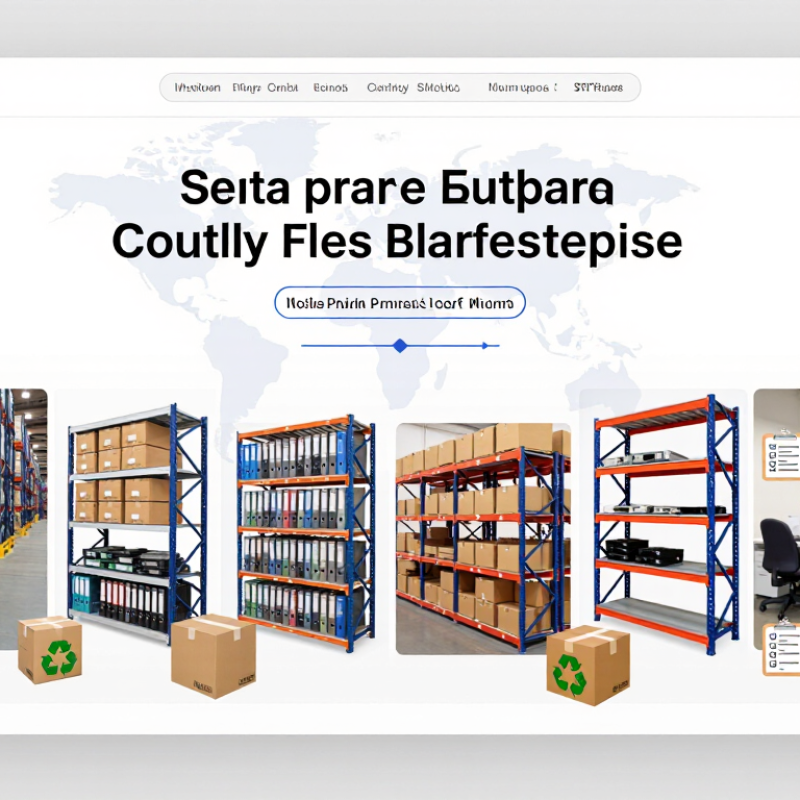
Modular shelving is a storage system built from repeatable parts: uprights, shelves, brackets, connectors, and optional panels. Buyers can change its height, width, and layout without replacing the entire structure. That flexibility distinguishes it from fixed, welded shelving.
Its global sourcing role is practical. Standard components simplify supplier comparison, quality inspection, and replacement planning. A damaged shelf can be reordered by specification, not guesswork. Flat-packed parts may also reduce shipping volume, although packaging tests are still necessary. UNCTAD reports that maritime transport carries over 80% of global merchandise trade, so small packing improvements can influence landed cost and handling risk.
The World Bank’s Logistics Performance Index 2023 compares logistics conditions across 139 economies. It highlights customs, infrastructure, shipment reliability, and timeliness. These factors should shape supplier selection, not price alone. In sourcing projects, I would request the same drawings, load ratings, steel thicknesses, coating standards, and carton tests from every factory. Keep dimensions consistent.
Not perfectly.
Modular design can create hidden complexity. More connectors mean more tolerance points and more assembly labor. A cheaper unit may become expensive after inspection, spare parts, and installation. Buyers should test one sample in a realistic warehouse setting before approving volume production. Industry market forecasts can guide demand planning, but they cannot replace physical testing, supplier audits, or honest failure records.
Modular shelving should begin with a clear storage assessment, not a catalog search. Count boxes, tools, files, and irregular items. Measure their height, width, depth, and average weight. Leave room for hand access and future stock. A 30-centimeter gap may prevent daily frustration.
Space limits matter just as much. Record ceiling height, doorway width, floor condition, and sprinkler clearance. Sketch the room with columns, pipes, and walking paths included. Adjustable shelves can solve changing needs, but they still require stable anchoring. I once overlooked a narrow delivery entrance. The selected units fitted the room, but not the route inside. That mistake was expensive and avoidable.
Tips: Write a simple product brief before contacting suppliers. Specify shelf dimensions, load capacity, adjustment intervals, finish, corrosion resistance, packing method, and assembly requirements. Request drawings, material details, test records, and sample hardware. Compare usable storage volume, not only unit price. For global sourcing, confirm carton dimensions and replacement-part availability. Ask whether instructions are clear for workers with limited installation experience. A small pilot order can expose weak joints, damaged edges, or confusing labels. Do not assume every stated load rating applies equally to uneven floors or distributed weight. Test your actual containers when possible. Real conditions are less tidy.
Identify storage needs, space limits, and product requirements before comparing suppliers.
These planning benchmarks use commonly used warehouse and shelving dimensions: pallet footprints of 1,200 × 800 mm and 1,200 × 1,000 mm, shelf depths of approximately 400–600 mm for boxed goods, 1,800–2,400 mm bay heights for manual picking, and 150–300 kg load capacity per shelf. Confirm local safety regulations, floor loading, handling equipment, and packaging dimensions before placing an order.
Global sourcing makes modular shelving a specification problem, not a catalog choice. Compare cold-rolled steel, aluminum, wire mesh, and engineered wood against load, humidity, cleaning, and transport needs. Steel suits heavy cartons and repeated handling. Aluminum reduces weight but may cost more. Wire improves airflow, while wood gives a warmer retail appearance. In 2023, global crude steel production reached about 1.89 billion tonnes, according to World Steel in Figures 2024. That scale supports broad material availability, but recycled content and coating quality still require verification.
Design details affect installation speed. Boltless frames can reduce assembly labor, while adjustable beams accommodate cartons with uneven heights. Mobile units save floor space, yet they need safer movement zones and stronger floor checks. The 2024 MHI Annual Industry Report reported that 55% of respondents planned to increase supply chain technology investment. Modular shelving should therefore support future sensors, labels, and inventory workflows, not only today’s boxes. Small details matter. Check aisle width, shelf deflection, connector tolerances, and replacement-part access.
Standards should be written into purchase documents. In Europe, EN 15635 guides the use and maintenance of steel storage equipment. ANSI MH16.1 supports structural design considerations for industrial steel racks in North America. Confirm local seismic, fire, corrosion, and worker-safety requirements with a qualified engineer. Customization may include shelf depth, perforation, color, casters, dividers, and flat-pack export dimensions. I would request a sample bay and a loading test before a large order. A drawing can look perfect. Real cartons often disagree.
Choosing modular shelving in 2026 starts with evidence, not catalog photos. Compare steel gauge, load ratings, finish thickness, connector wear, and replacement-part availability. A reliable supplier should provide batch records, test methods, factory audit access, and traceable corrective actions. ISO 9001 may indicate controlled processes, but it does not prove safe performance. Request certificates from issuing bodies, confirm their scope, and match testing requirements to the destination market. For wood components, verify chain-of-custody documents when sustainability claims matter. Standards alone are not enough.
Build a landed-cost sheet before negotiation. Include tooling, samples, packaging, inspection, duties, insurance, inland transport, storage, currency changes, and damage allowances. UNCTAD’s Review of Maritime Transport reports that ships carry over 80% of global merchandise trade. Port disruption can therefore reshape delivery plans. The World Bank’s 2023 Logistics Performance Index compares 139 economies and highlights differences in clearance, tracking, and reliability. Ask suppliers for route-specific transit history, not generic lead times. Test a small shipment. It may reveal weak cartons or unstable stacking. I have learned that the cheapest rack can become expensive after one damaged container.
Tips: Use a weighted scorecard with 30% quality, 25% delivered cost, 20% logistics reliability, 15% compliance, and 10% responsiveness. Require two quotations with identical specifications. Check pallet dimensions against container plans. Keep a second qualified source, even when the first supplier seems excellent. That judgment can be wrong.
Choosing modular shelving for global sourcing in 2026 requires more than comparing unit prices. In my sourcing work, the strongest programs began with a written quality control plan. Define steel thickness, coating performance, load limits, hole spacing, and carton protection before requesting quotations. Ask suppliers for material certificates, inspection photos, and sample assemblies. Third-party inspections can verify dimensions, welds, surface finish, and packaging before shipment. Do not trust a polished sample alone. Production batches can vary.
Tips: Approve a golden sample, then inspect the first production run. Use a checklist with pass/fail measurements. Record defects by lot and photograph every finding. Leave tolerance for local floors, tools, and installer skill. A perfect drawing may still fail on site. Installation instructions should use clear diagrams, numbered parts, torque guidance, and language-free symbols. Test one complete bay with local workers before scaling. I once underestimated uneven concrete; the shelves stood, but alignment took hours. That mistake changed our site survey requirements.
Scalability depends on interchangeable parts, stable dimensions, and documented reorder codes. Confirm that future batches will match the original connectors and load ratings. Ask how replacement posts, beams, clips, and fasteners will be stocked over five years. Long-term support should include response targets, spare-part availability, updated manuals, and remote troubleshooting. Get these commitments in writing. Suppliers may promise flexibility, yet unsupported variations create costly downtime. Review performance quarterly, and revise the specification when field evidence exposes a weak assumption.
Modular shelving uses repeatable parts, including uprights, shelves, brackets, and connectors. Workers can change height, width, and layout. It is flexible, but extra connectors can increase assembly time.
Standard parts make supplier comparisons, inspections, and replacement planning easier. A damaged shelf can be reordered by its exact specification. Flat-packed parts may reduce shipping volume. Packaging tests still matter.
Measure each item’s height, width, depth, and average weight. Count boxes, tools, files, and irregular objects. Leave space for hand access and future inventory. A small gap can prevent daily frustration.
Record ceiling height, doorway width, floor condition, columns, pipes, and walking paths. Check sprinkler clearance and delivery routes. Stable anchoring remains important. The shelves may fit inside, but not through the entrance.
Include shelf dimensions, load capacity, adjustment intervals, finish, and corrosion resistance. Add carton size, assembly needs, and replacement-part requirements. Request drawings, material details, test records, and sample hardware. Keep it specific.
Request identical drawings, steel thicknesses, load ratings, coating requirements, and carton tests. Review batch records, test methods, audit access, and corrective actions. Certificates can support a decision. They do not prove performance alone.
Include tooling, samples, packaging, inspection, duties, insurance, inland transport, storage, and currency changes. Add possible damage allowances. Compare usable storage volume, not only unit price. The cheapest unit may become expensive later.
A pilot shipment can reveal weak cartons, unstable stacking, damaged edges, or confusing labels. Test the actual containers on realistic flooring when possible. Stated load ratings may not suit uneven floors. Real conditions are messier.
Choosing the right Modular Shelving system for global sourcing in 2026 requires a clear understanding of storage goals, available space, product dimensions, load capacity, and future operational needs. Buyers should compare materials such as steel, aluminum, wood-based panels, and composite options while considering durability, appearance, assembly methods, safety standards, and customization. A modular design should support efficient use of space and allow components to be rearranged as inventory or workflows change.
Supplier evaluation is equally important. Review manufacturing capabilities, quality certifications, production consistency, communication, pricing, packaging, and international shipping arrangements. Total cost should include tooling, transportation, duties, installation, maintenance, and replacement parts rather than only the purchase price. Before full production, establish quality-control checkpoints, sample approvals, inspection procedures, and clear acceptance criteria. Finally, confirm installation guidance, scalability, spare-part availability, and long-term technical support to ensure the shelving remains safe, adaptable, and cost-effective throughout its service life.

Everack