Point Of Purchase Displays play a crucial role in retail marketing. They are strategically placed in stores to attract customer attention. These displays often showcase promotional items or highlight new products. A well-designed Point Of Purchase Display can influence buying decisions as customers approach the checkout.
These displays serve as silent salesmen, guiding shoppers toward specific products. Effective designs utilize colors, lighting, and strategic placement. Shoppers are often drawn to displays that catch their eye. However, not all displays succeed in engaging customers. Sometimes, cluttered or poorly designed displays can confuse shoppers.
Understanding how to create impactful Point Of Purchase Displays requires both creativity and analysis. Retailers must consider target demographics and shopping behavior. A simple mistake can lead to missed opportunities. In the rapidly changing retail landscape, perfecting these displays is an ongoing challenge.
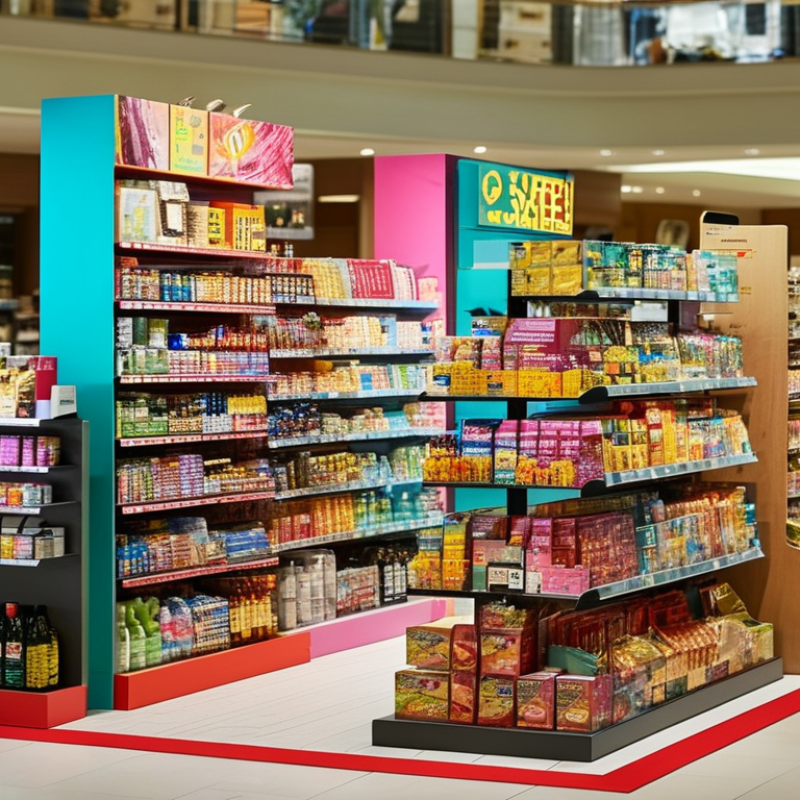
Point of Purchase (POP) displays are vital tools in retail marketing. They serve as strategic advantages that can significantly boost sales. Defined as the materials placed near the checkout area or other strategic locations within a store, these displays catch the shopper’s eye. According to research, about 70% of purchasing decisions are made in-store, highlighting the importance of POP displays.
These displays come in various forms, such as stands, banners, or shelf talkers. Their primary aim is to draw attention and influence buyer behavior. A study conducted by the Point of Purchase Advertising International (POPAI) reports that well-designed displays can increase sales by up to 20%. This statistic emphasizes how effective POP displays are when executed with creativity and purpose.
However, not all displays yield positive results. Some may clutter space or confuse customers. Retailers need to focus on clarity and aesthetics. Striking a balance is crucial to avoid overwhelming shoppers. Poorly designed displays can detract from the shopping experience, ultimately impacting sales. Thus, ongoing evaluation and refinement of these displays are essential in a constantly evolving market.
Point of Purchase (POP) displays play a crucial role in retail environments. These displays help grab customers' attention right at the moment of decision-making. Various types of POP displays exist, each designed for specific purposes and settings. They enhance product visibility and can significantly influence consumer behavior.
Retailers often use shelf displays to showcase products on store shelves. These are designed to grab attention and promote impulse buys. Standalone displays, on the other hand, are placed in strategic locations within stores. They can be eye-catching and often feature promotional materials. These displays are great for limited-time offers or seasonal items. Countertop displays are smaller versions that sit atop checkout counters. They are typically used for smaller, high-margin products.
Interactive displays have gained popularity as technology evolves. These allow customers to engage with the product through digital screens or touch interfaces. While they can attract interest, they also risk overwhelming some customers. It's crucial for retailers to balance innovation with simplicity. Ultimately, different POP display types serve various functions, but they all aim to drive sales in a highly competitive market.
Point of purchase (POP) displays play a vital role in retail strategies. They capture consumer attention at the moment of decision. Effective designs can significantly boost sales and enhance brand visibility. These displays often feature bright colors and enticing graphics. They should be strategically placed to influence buyer behavior.
Key elements of effective POP displays include clear messaging and strong visuals. Customers need to understand the offer quickly. Simplicity is crucial. Too much information can confuse and deter shoppers. An eye-catching layout is more likely to draw in passersby. Texture and materials can also impact consumer perception. For example, a sleek finish may convey luxury.
Engaging displays do not always guarantee success. It is essential to evaluate their performance regularly. What works well in one location may fail in another. Retailers should be open to feedback and adapt accordingly. A display’s effectiveness can fluctuate over time, necessitating a willingness to innovate and refresh designs.
Point of Purchase (POP) displays play a crucial role in influencing shopping behavior. Research indicates that nearly 70% of purchasing decisions are made in-store. This highlights the importance of effective merchandising. POP displays capture attention and can sway a consumer's choice at the last moment.
The use of these displays offers several advantages. For instance, a study by POPAI found that well-placed displays can boost sales by as much as 20%. Effective design can enhance brand visibility. Moreover, tactile interactions with products increase consumer engagement, leading to a higher likelihood of purchase. Another report revealed that 93% of shoppers said that attractive displays made them more likely to buy a product.
Yet, the effectiveness of POP displays is not guaranteed. Poorly designed displays that clutter the shopping experience can deter buyers. Additionally, over-reliance on these displays can lead to marketing fatigue among consumers. Brands must continuously rethink their strategies to avoid stagnation and ensure that these displays remain effective in driving sales. The execution must be timely and context-aware to truly capitalize on their advantages.
Point of purchase (POP) displays play a crucial role in retail marketing, influencing consumer purchasing decisions. Effective designs can enhance visibility and engagement. According to a 2021 study by the Point of Purchase Advertising International (POPAI), 68% of purchasing decisions are made in the store. This emphasizes the importance of strategic display design.
One best practice for designing POP displays is to use clear and attractive visuals. Bright colors and bold graphics can capture attention. A placement study by the Retail Institute reveals that products displayed at eye level see up to a 50% increase in sales. Additionally, incorporating interactive elements, like QR codes, can further engage shoppers. However, it’s essential to ensure these elements don't overwhelm or distract from the main product.
Another key consideration is the messaging. Clear, concise information is crucial. Displaying pricing and promotions prominently can drive impulse sales. Data suggests that 75% of shoppers are influenced by price promotions displayed near high-traffic areas. However, designers must also be cautious about overcrowding displays; this can confuse shoppers and reduce overall effectiveness. Balancing information with simplicity can enhance the shelf appeal of products.
: POP displays are marketing tools placed near checkouts to catch shoppers’ attention and influence buying decisions.
About 70% of purchasing decisions occur in-store. Effective displays can significantly boost sales and enhance visibility.
There are several types including shelf displays, standalone displays, countertop displays, and interactive displays.
Shelf displays promote impulse buys and enhance product visibility. They attract shoppers' attention effectively.
Clear visuals and concise messaging are vital. Bright colors can capture attention, but simplicity must be maintained.
Yes, interactive displays can attract interest. However, they may overwhelm some shoppers if not designed carefully.
Displaying pricing and promotions prominently can drive impulse sales. Many shoppers are influenced by visible price promotions.
Overcrowding displays can confuse shoppers and reduce effectiveness. It’s essential to balance information and simplicity.
Retailers should constantly assess display effectiveness. Refining designs based on customer responses is key to success.
Bright colors and bold graphics are effective. They enhance visibility and engage shoppers when used appropriately.
Point of Purchase Displays (POP displays) are marketing tools placed near the checkout or in high-traffic areas of retail stores to attract customer attention and encourage impulse purchases. They come in various types, such as standees, shelving units, and digital displays, each designed to showcase products effectively. The key elements that make POP displays effective include eye-catching designs, clear messaging, and strategic placement that engages customers as they shop.
Utilizing Point of Purchase Displays offers numerous advantages, such as increasing brand visibility, enhancing the shopping experience, and driving sales conversions. To maximize their impact, retailers should follow best practices in design, including understanding target demographics, keeping the display clutter-free, and ensuring the product is easily accessible. By effectively implementing these strategies, Point of Purchase Displays can significantly enhance marketing efforts within retail environments.

Everack