Supermarket fixtures play a crucial role in enhancing the shopping experience and optimizing store layouts. According to arecent report by Market Research Future, the global supermarket fixtures market is expected to reach $9 billion by 2025, reflecting a growing emphasis on retail design. One industry expert, John Smith, noted, "Choosing the right fixtures transforms a store from mundane to extraordinary." This highlights the significance of selecting fixtures that not only showcase products but also align with the brand identity.
Implementing effective supermarket fixtures can significantly influence customer behavior. Studies from the National Retail Federation reveal that well-organized product displays can increase sales by up to 30%. However, many retailers fall short in understanding the impact of design. A misalignment between fixture styles and customer expectations can lead to confusion. Retailers must carefully consider their audience and product types when making fixture choices.
Many businesses disregard the importance of fixture maintenance as well. Poorly maintained fixtures can detract from the shopping experience. For retailers, it is essential to evaluate both aesthetic appeal and functionality. Balancing creativity with practicality is key to achieving success in supermarket design. The right supermarket fixtures not only enhance product visibility but also create an inviting atmosphere for shoppers.
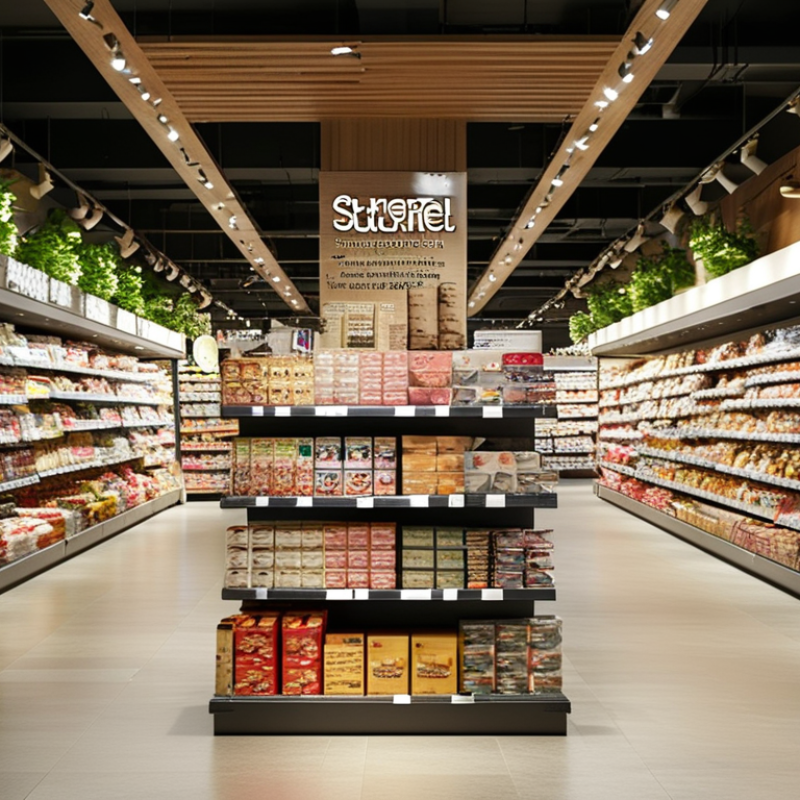
Understanding the Concept of Supermarket Fixtures
Supermarket fixtures are essential components designed to display products effectively. They include shelving units, checkout counters, and display racks. Each fixture plays a vital role in enhancing the shopping experience. They should be visually appealing and functional.
Choosing the right fixtures requires an understanding of both aesthetics and practicality. For instance, shelving must accommodate various product sizes. You may find that some fixtures do not fit well in your space, leading to poor organization. It’s crucial to assess traffic flow and customer behavior in your store. This observation helps in selecting fixtures that attract attention without causing congestion.
Appearance matters, but durability is equally important. High-quality materials will ensure longevity, even with frequent use. Yet, price constraints can limit options. Sometimes it’s about finding a balance between cost and quality. Reflecting on your store's unique needs will guide you in making the best choice. Don’t rush the decision; take time to envision your ideal shopping environment.
Types of Supermarket Fixtures and Their Functions
Supermarket fixtures are crucial for product display and customer navigation. Different types serve specific functions, enhancing the shopping experience.
Shelving units are common in every store. They come in various heights and designs. These fixtures allow for efficient space usage. Adjustable shelves can accommodate different product sizes, making them highly versatile.
Another essential fixture is the checkout counter. It provides a final stop for customers before leaving. Effective layout here can enhance flow and reduce bottlenecks. Thoughtful design can make this area inviting.
Furthermore, product display cases showcase items appealingly. They can be refrigerated or non-refrigerated, depending on the product type. This helps maintain freshness while drawing customers’ attention.
Retailers often overlook the importance of lighting in fixture choice. Proper lighting can make any product stand out. It creates a welcoming atmosphere and improves visibility.
However, striking the right balance is key. Harsh lighting can be off-putting, while too little can hinder product visibility. Store owners should periodically assess their display effectiveness. They might find areas needing improvement or replacement. This continuous evaluation ensures a better shopping experience for customers.
Factors to Consider When Choosing Supermarket Fixtures
When selecting supermarket fixtures, several key factors come into play. First, assess the layout of your store. The right fixtures should enhance the flow for customers. Consider how shoppers will move through aisles. Properly placed shelves can create a seamless shopping experience. This layout helps increase sales and boosts customer satisfaction.
Material quality is another critical aspect. Fixtures made of durable materials ensure longevity. They can withstand the daily wear and tear of a busy supermarket. Wood, metal, and plastic each bring unique benefits. Evaluate which materials best fit your store’s aesthetic and functional needs. It's vital to remain within budget while choosing high-quality options.
Lastly, consider the versatility of the fixtures. Can they be easily adjusted or reconfigured? Supermarkets often change product displays. Having flexible fixtures allows for quick updates. This adaptability can lead to increased sales opportunities. Reflect on these points to select fixtures that truly serve your supermarket's needs.
Best Practices for Arranging Supermarket Fixtures
Arranging supermarket fixtures effectively can significantly impact sales and customer experience. Studies indicate that well-organized displays can increase product visibility by up to 30%. Clear pathways and logical layouts lead to improved shopper flow, which is critical for maximizing impulse purchases. One popular strategy is the use of planograms, which guide product placement to attract attention. A survey showed that 70% of retailers use planograms to optimize shelf space.
Color, signage, and lighting play vital roles as well. Bright colors can draw attention, while clear signage helps customers navigate easily. Proper lighting enhances product appeal. Research indicates that well-lit aisles can boost sales by 20%. However, relying too heavily on colorful displays can sometimes overwhelm customers. Balance is essential. Not every product needs to be front and center.
Consider shopper behavior when designing the space. Typically, customers spend more time in areas that feel open and inviting. While crowding shelves can seem like a good idea for maximizing space, it often leads to frustration. A cluttered aisle may decrease dwell time. Understanding both the psychology of shopping and the data on fixture placements can lead to better outcomes. Adjustments may be necessary based on customer feedback and sales data.
Maintaining and Upgrading Supermarket Fixtures for Longevity
Maintaining supermarket fixtures is crucial for operational efficiency. Research shows that well-maintained fixtures can last up to 10 years longer than poorly cared-for ones. Regular inspections help identify wear and tear early. This prevents the need for costly replacements and disruptions in operation.
Upgrading fixtures can enhance customer experience effectively. For example, implementing LED lighting not only improves visibility but can also reduce energy costs by 50%. However, many supermarkets overlook the importance of regular upgrades. This can lead to outdated displays that fail to engage customers.
It’s essential to choose the right materials for durability. Metal fixtures tend to outlast wood in high-traffic areas. Yet, aesthetics matter, too. Using materials that align with your brand image can enhance overall appeal. Balancing functionality and design is an ongoing challenge in fixture management. A strategy focusing on sustainability can lead to long-term benefits.
Supermarket Fixtures Maintenance and Upgrade Costs
FAQS
: Supermarket fixtures display products effectively. They include shelving units, checkout counters, and display racks.
Aesthetic appeal attracts customers. However, functionality and durability are equally vital for an effective shopping experience.
Assess your store layout and customer flow. Consider the practicality and appearance of each fixture.
Durable materials like wood, metal, and plastic are essential. Ensure they fit within your budget and aesthetic needs.
Well-organized displays increase product visibility and improve shopper flow. Clear pathways encourage impulse purchases.
A planogram is a tool that guides product placement to optimize shelf space and attract customer attention.
Bright colors grab attention, while proper lighting enhances appeal. However, balance is crucial to avoid overwhelming customers.
Understanding how customers interact with space can lead to better layouts. Cluttered aisles may frustrate shoppers and reduce dwell time.
Fixtures should be adjustable for product display changes. Flexibility allows for quick updates, which can boost sales opportunities.
Regular adjustments based on feedback and sales data are necessary. Staying responsive to customer needs can improve overall satisfaction.
Conclusion
Supermarket fixtures play a crucial role in creating an efficient and inviting shopping environment. They encompass various types like shelving, display cases, and checkout counters, each serving distinct purposes to enhance product visibility and accessibility. When selecting supermarket fixtures, it's important to consider factors such as space utilization, the nature of the products displayed, customer flow, and overall aesthetic appeal.
Best practices for arranging supermarket fixtures include strategic placement that encourages shoppers to explore the store, while maintaining clear pathways for an enjoyable experience. Regular maintenance and timely upgrades of these fixtures are essential for ensuring their durability and functionality, ultimately contributing to a successful supermarket operation. Properly managed, supermarket fixtures can significantly enhance customer satisfaction and boost sales.

 Everack