What Are the Top Heavy Duty Racks in 2026?

Time:2026-11-13 Author:Amelia
0%

Warehouse space is costly, but a rack failure can disrupt far more than a few pallet positions. In 2026, the best Heavy Duty Racks are not automatically the tallest, cheapest, or most heavily advertised. They fit the goods, handling equipment, building layout, and daily workflow. That fit matters.

This guide explores leading rack types and options, including selective pallet, drive-in, cantilever, and long-span systems. It considers practical factors: rated capacity, adjustability, steel construction, access, installation needs, and long-term upkeep. A clear load label is useful. So is a layout that keeps forklifts moving without awkward turns. Small details can change the decision.

There is no universal winner. A rack suited to dense pallet storage may be a poor choice for long timber or frequent picking. Published capacities also depend on beam spacing, frame configuration, anchoring, and the specific installation. Those details are easy to overlook. Before buying, compare manufacturer specifications and confirm that the proposed system suits the actual loads and site conditions. Where needed, consult a qualified rack professional. This shortlist can guide research, but it cannot replace a site assessment. Some recommendations may still involve trade-offs; that is worth acknowledging rather than hiding. The sections ahead provide a practical way to compare options and identify which system deserves closer review.
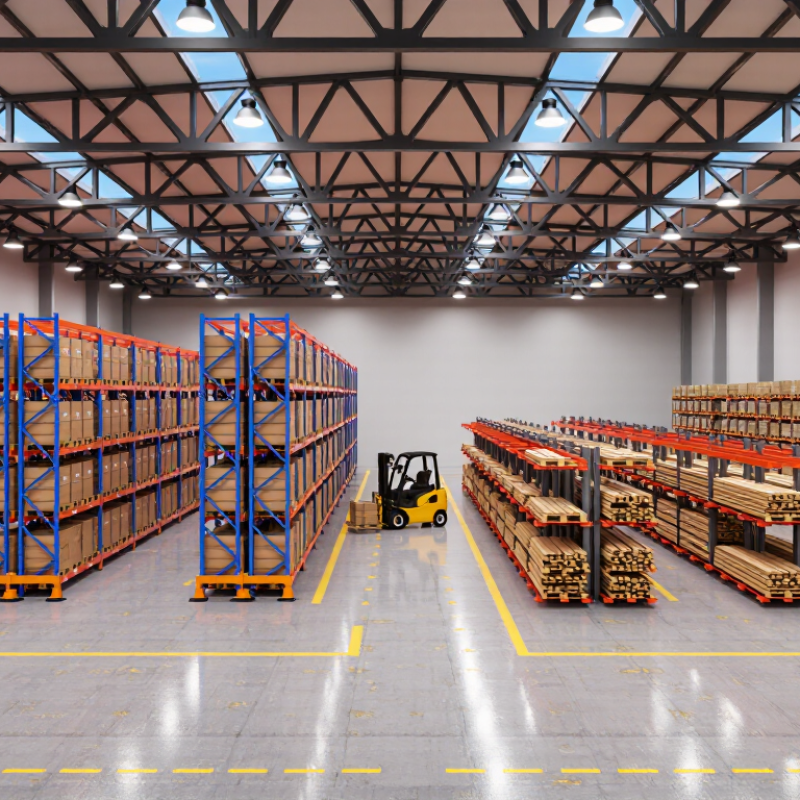
What Are the Top Heavy Duty Racks in 2026?

What Heavy-Duty Racks Are and How They Work

Heavy-duty racks are steel storage frames designed to hold dense, bulky loads in organized rows. Upright columns connect to horizontal beams, creating bays where pallets, bins, or long materials can rest. A pallet rack works by transferring weight from the load to the beams, then through the uprights and base plates into the floor. Simple in principle, but every connection matters.

Picture a forklift placing a pallet onto a beam pair three metres above the floor. The rack must carry that load without beam deflection or frame instability. Decking can support items that do not span beams safely, but it does not automatically increase the rack’s rated capacity. Check the posted load limits and follow the system’s specifications. Floors, anchors, beam locks, and clear aisles all affect safe operation. A rack may look sturdy and still be unsuitable for a particular load.

Configuration deserves careful thought. Load weight is only part of the picture; pallet size, placement, and repeated impacts matter too. Even attentive teams can overlook a bent upright after a minor forklift bump. That is a blind spot. Inspect frames and connections regularly, and take damaged sections out of service until assessed by a qualified professional. When storage needs change, reconsider the layout rather than assuming an old setup still fits.

The Main Types of Heavy-Duty Racks Available in 2026

Heavy-duty rack selection in 2026 still starts with the load, the building, and how goods move. Selective pallet racks offer direct access to every pallet, making them practical for varied stock and frequent picking. They need wider aisles, though. Drive-in racks use deeper lanes and suit larger quantities of similar goods, but forklifts enter the structure, so careful operation matters. Push-back racks store pallets several positions deep on rolling carts. They can improve space use while keeping loading and retrieval at the front. More moving parts mean maintenance deserves attention.

Cantilever racks hold long, awkward items such as timber, pipe, or sheet material on projecting arms. Check arm length and load distribution; uneven placement can create hazards. Heavy-duty shelving works well for cartons, tools, and hand-picked parts, while rack-supported mezzanines add usable floor space when the building allows them. That option needs a proper structural review, not a guess from a floor plan. A rack’s stated capacity also depends on beam configuration, anchoring, and floor conditions. Details are easy to overlook. Before choosing, compare the actual loads, forklift turning space, and inspection requirements. The densest layout is not always the easiest one to use safely.

What Are the Top Heavy Duty Racks in 2026? - The Main Types of Heavy-Duty Racks Available in 2026

Rack Type Storage and Access Method Inventory Flow Best Suited For Key Consideration
Selective pallet rack Each pallet is stored in an individual position and can be accessed directly from the aisle. Direct access to each pallet; supports flexible picking and rotation. Warehouses with many product lines, varied inventory, or frequent pallet retrieval. Offers high selectivity, but requires an aisle for each rack row or row face.
Double-deep pallet rack Pallets are stored two positions deep; a compatible deep-reach truck is typically needed. Reduced selectivity compared with single-deep selective rack. Operations seeking more storage density while retaining access to multiple product lines. The rear pallet is less accessible, and equipment requirements should be considered in the layout.
Drive-in rack A forklift enters the storage lane to place or retrieve pallets supported by rails. Commonly operated as LIFO: the last pallet loaded is generally the first pallet retrieved. High-volume storage of fewer product types, especially where many pallets share a lane. Fewer aisles can increase storage density, but access is less selective and requires careful truck operation.
Drive-through rack A forklift can enter a lane from either end. Can support FIFO when loading and retrieval occur at opposite ends; operating method depends on the layout. High-density storage where stock rotation from one end to the other is useful. Requires access at both ends of the lane and a layout that preserves the intended loading sequence.
Push-back rack Each new pallet pushes the preceding pallet back along nested carts or a sloped track; pallets are retrieved from the front. Typically LIFO within each lane. Medium- to high-density storage of multiple pallets per product line. Provides front-side loading and retrieval, but lane depth and pallet compatibility affect operation.
Pallet flow rack Pallets move by gravity along inclined roller tracks from the loading side to the retrieval side. FIFO, with loading and picking performed at opposite ends. High-turnover products and operations that benefit from orderly stock rotation. Needs access to both ends; pallet condition, track design, and braking controls matter.
Cantilever rack Loads rest on arms projecting from upright columns, with no front columns blocking the storage face. Direct access to individual stored items. Long or bulky materials such as pipe, lumber, bar stock, and panels. Arm spacing, load length, and support requirements must be matched to the materials stored.

Selection note: Rack capacity is not universal. Safe load limits depend on the engineered system, configuration, components, floor conditions, and installation. Confirm rated capacities and applicable local requirements with a qualified rack professional.

How to Compare Rack Capacity, Materials, and Safety Features

What Are the Top Heavy Duty Racks in 2026?

Comparing heavy duty racks starts with capacity, not appearance. Check the rated load per shelf and per bay, then confirm whether ratings assume evenly distributed weight. A pallet concentrated near one beam can create a different risk than several smaller, balanced loads. Include the weight of pallets and containers in your calculations. Small details matter.

Materials affect durability and suitability. Steel uprights and beams should feel solid, with connections that seat fully and lock securely. Compare coating quality for the rack’s environment: a clean, dry warehouse has different needs from a damp loading area. Inspect welds, beam ends, and upright bases for visible damage before installation. A thicker-looking part alone does not prove greater capacity; use documented specifications for the exact configuration.

Safety features deserve the same attention as load ratings. Look for beam locks that resist accidental release, clear capacity labels, and footplates designed for secure anchoring. Confirm that the floor can support the loaded rack and that aisles leave room for safe handling. Keep heavy items on lower levels when practical, and replace damaged components rather than improvising repairs. I still find clear labels easy to overlook. Verify ratings after changing beam heights or layouts, since a revised setup may not retain the original capacity.

Top Heavy-Duty Rack Options for Different Storage Needs

What Are the Top Heavy Duty Racks in 2026?

Top Heavy-Duty Rack Options for Different Storage Needs

The right rack depends on what moves through your facility, not just its maximum load. Selective pallet racks suit warehouses handling many product types because workers can reach each pallet directly. They use more aisle space, though. For uniform pallets and fewer stock-keeping units, drive-in racks trade direct access for denser storage. Forklifts enter the rack lanes, so operators need clear procedures and careful driving.

Long materials need a different approach. Cantilever racks support pipes, lumber, and metal lengths without front uprights blocking access. For cartons or tools, heavy-duty shelving offers practical, reachable storage. Mezzanines can add usable floor space, but they need a proper structural and load assessment. I would not choose by capacity alone. A rack can look oversized and still be wrong for the workflow.

MHI’s 2024 Annual Industry Report found that 55% of surveyed companies planned to increase supply-chain technology investment. That figure is not rack-specific, but it points to the value of planning storage around changing operations.

Check pallet dimensions, load weight, forklift turning space, and future inventory before selecting a system. OSHA’s material-storage rule also requires stacked materials to remain stable and secure.

Small details matter. Measure twice; aisle congestion is easy to underestimate.

How to Choose and Maintain a Heavy-Duty Rack System

What Are the Top Heavy Duty Racks in 2026?

Choosing a heavy-duty rack system starts with the load, not the label. Check the weight of each pallet, including its contents, and note how loads will be placed. A rack rated for evenly distributed weight may not handle a concentrated load safely. Measure ceiling height, aisle width, and forklift turning space before comparing designs. A few inches matter.

Match the rack to the work area. Damp air, temperature changes, and frequent impacts can affect materials and connections over time. Confirm that the floor can support the loaded system, and use suitable anchors where required. Ask for clear load ratings and installation guidance. If your storage needs may change, adjustable beams can help, but only within the system’s stated limits.

Maintenance works best as a routine, not a reaction to visible damage. Walk the aisles and look for bent uprights, loose anchors, missing connectors, or beams that have shifted. Keep loads within posted limits, and replace damaged components only with compatible parts. Small details matter. Records help reveal recurring problems, though they cannot replace a careful inspection. If damage or uncertainty appears, restrict access to the affected area and seek a qualified assessment before loading it again.

FAQS

How does a heavy-duty rack carry a pallet?

Beams transfer the pallet’s weight to upright columns, base plates, and the floor. Every connection matters.

Does decking increase a rack’s rated capacity?

Not automatically. Check the posted load limits and system specifications before storing items that do not span the beams.

Which rack type suits varied stock?

Selective pallet racks provide direct access to every pallet. They are practical for frequent picking but require wider aisles.

When are drive-in or push-back racks useful?

Drive-in racks suit larger quantities of similar goods. Push-back racks store pallets several positions deep, with loading and retrieval at the front.

What should I measure before choosing a rack?

Check pallet weight, dimensions, ceiling height, aisle width, and forklift turning space. A few inches matter.

How should long materials be stored?

Cantilever racks hold items such as timber, pipes, and sheets. Place loads evenly across the arms; uneven placement can create hazards.

What should routine rack inspections look for?

Look for bent uprights, loose anchors, missing connectors, and shifted beams. A minor forklift bump can be easy to overlook.

What should happen when rack damage appears?

Restrict access to the affected area and seek a qualified assessment before loading it again. Do not guess.

Can an existing rack layout remain unchanged as storage needs shift?

Not necessarily. Reconsider the layout when loads or work patterns change, and confirm that the floor and anchors remain suitable.

Conclusion

Heavy Duty Racks are engineered storage systems that support substantial loads while keeping goods organized and accessible. In 2026, common options include pallet, cantilever, drive-in, and long-span shelving systems, each suited to different items, layouts, and handling needs. Comparing them means looking beyond advertised capacity: consider the weight and dimensions of each load, the rack’s materials and construction, available space, and safety features such as secure connections and load-protection components.

The best rack depends on what you store and how often you need to reach it. Pallet racks can suit bulk storage, cantilever racks can accommodate long materials, and shelving systems may work well for smaller goods. Before choosing, assess your inventory, workflow, floor plan, and future growth, then confirm that the system is properly rated for its intended use. Regular inspections, balanced loading, prompt repair of damage, and clear load limits help maintain safe, reliable performance over time.

Amelia

Amelia

Amelia is a seasoned marketing professional with a wealth of expertise in our company’s core offerings. With an unwavering passion for driving growth and innovation, she plays a pivotal role in shaping our marketing strategies and enhancing brand visibility. A key aspect of her responsibilities......