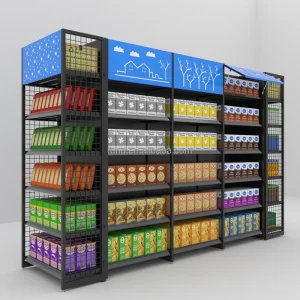
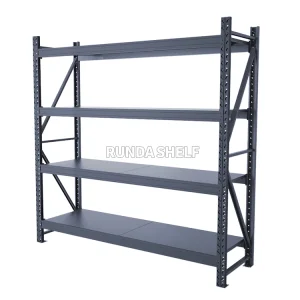
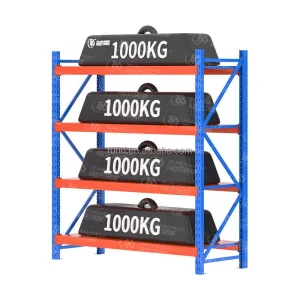
Engineered for heavy-load industrial logistics, retail warehousing, and automated distribution hubs requiring maximum structural integrity and space utilization efficiency.
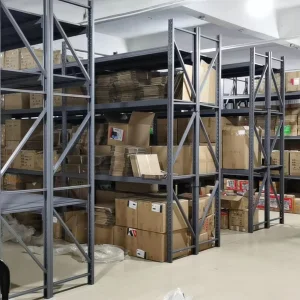
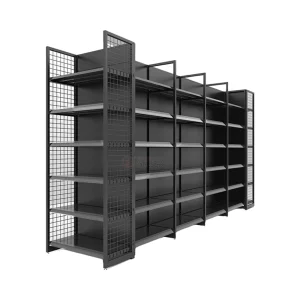
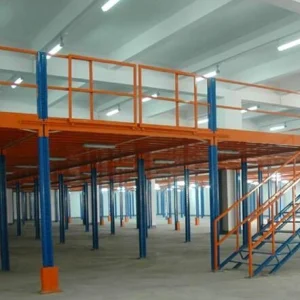
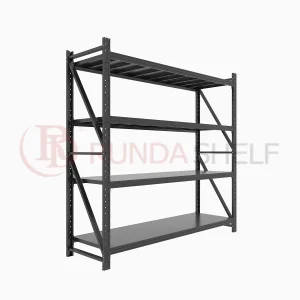
Established baseline parameters, global trade scale, and core operational capabilities of Nanjing Everack Storage Equipment Co., Ltd.
Company Overview & Background: Nanjing Everack Storage Equipment Co., Ltd. was officially established in 2014, operating as a premier enterprise with over 12 years of core industry experience in industrial racking design and structural manufacturing. Situated in a modern industrial center in Nanjing, China, our manufacturing facility spans an expansive building area of 38,500 square meters. As a specialized global vendor with 9 years of dedicated export experience, our products are distributed across North America, Western Europe, and Australia, generating an impressive annual export revenue of USD 28.5 million.
Manufacturing Strength & Supply Chain Ecosystem: Supported by a robust network of more than 1,200 upstream supply chain partners—including top-tier steel suppliers, automated powder coating providers, and precision hardware manufacturers—we serve high-tier international clients. Our primary customer base consists of third-party logistics (3PL) providers, global e-commerce distribution centers, cold storage operations, and large-scale manufacturing facilities.
Quality Assurance & Inspection Standards: Quality control is embedded at every phase of our production lines. We maintain a dedicated Quality Control department staffed by 45 certified QC inspectors. Our quality detection standard complies strictly with international metrics (ISO 9001, CE, and AS4084 structural safety guidelines).
Driven by strong engineering capabilities, Everack employs a professional team of 68 R&D engineers who utilize Finite Element Analysis (FEA) and 3D CAD modeling to engineer high-capacity, seismic-resistant storage systems. In the past year alone, our engineering unit successfully released 185 new product innovations and customized profile iterations.
Analytical insight into modern warehouse footprint optimization, cubic storage efficiency, and structural safety parameters.
The global logistics and warehousing industrial sector is undergoing a structural transformation. Rapid expansion in omnichannel e-commerce fulfillment, cold-chain food supply networks, and centralized third-party logistics (3PL) operations has converted real estate efficiency into a primary competitive metric. Enterprise procurement teams no longer view warehouse racking simply as passive steel shelves; bulk storage infrastructure is now evaluated as a high-performance structural asset engineered to maximize volumetric utilization (cubic storage density) while maintaining rigorous structural safety standards under dynamic stress.
Structural integrity in industrial racking requires sophisticated structural design. Bulk storage platforms must withstand severe static loads, dynamic loading forces from material handling equipment (such as reach trucks and automated guided vehicles), and seismic displacement forces. In structural design compliance, standards such as ANSI MH16.1 (North America), FEM 10.2.02 (Europe), and AS4084-2012 (Australia) dictate strictly how structural cold-formed steel sections yield under compression, buckling, and torsional shear. Understanding these variables is critical for supply chain directors sourcing structural steel solutions globally.
| Storage Topology | Selectivity Rate (%) | Volumetric Density Utilization | Primary Industry Application | Ideal Payload Category |
|---|---|---|---|---|
| Selective Pallet Racking | 100% Direct Access | 40% - 50% Floor Area | FMCG, 3PL Hubs, E-Commerce Fulfillment | 500kg - 3,500kg / Level |
| Drive-In / Drive-Thru Racking | LIFO / FIFO High Density | 65% - 75% Floor Area | Cold Storage, Beverage & Seasonal Goods | 1,000kg - 2,000kg / Pallet |
| Push-Back & Gravity Flow | 75% Semi-Automated | 60% - 70% Floor Area | High-Turnover Retail Distribution | 800kg - 1,500kg / Track |
| Automated Shuttle & AS/RS | Automated Software-Controlled | 80% - 85% Maximum Density | Pharmaceutical, Automotive & High Tech | 500kg - 2,000kg / Shuttle |
How industrial concentration, metallurgical supply integration, and automated roll-forming create unmatched value for international buyers.
China leads global production of premium structural carbon steel grades, specifically Q235B, Q355B, and high-yield cold-rolled steel coils. Facilities located in key industrial clusters like Nanjing benefit from localized raw steel procurement, eliminating volatile long-distance inland freight surcharges and maintaining steel yield strength specs.
Modern Chinese manufacturing centers utilize multi-stage continuous roll-forming lines, automated laser-guided punching units, and robotic welding workcells. This eliminates manual fitment deviations, guaranteeing that column pitch hole patterns align seamlessly during on-site international installation.
Unlike standard catalog distributors, Chinese manufacturers offer modular engineering flexibilities. Buyers can request specific beam profiles (P-beam, step beam, box beam), structural column pitch dimensions (50mm, 75mm, 76.2mm pitch), and custom electrostatic powder coatings matched to corporate RAL brand colors.
Complete workflow catalog of our automated cold-roll forming lines, precision metal fabrication equipment, and surface finishing technologies.
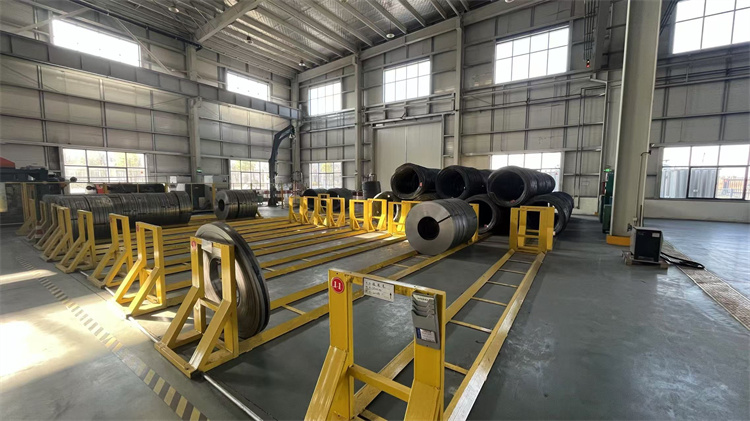


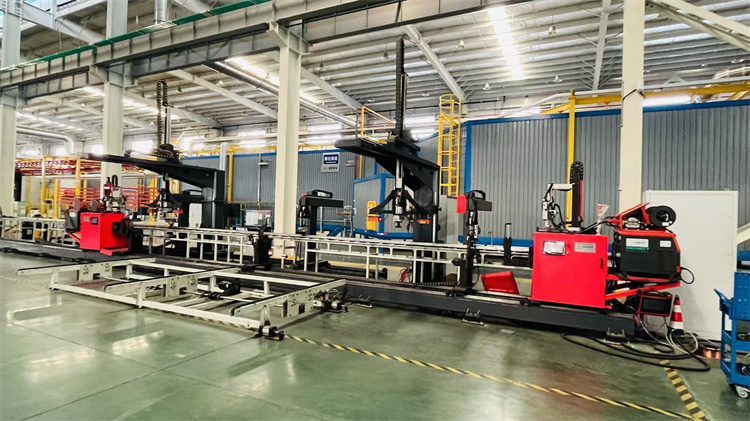


Critical technical parameters to evaluate when conducting OEM/ODM structural racking procurement from Chinese manufacturers.
High-tier industrial bulk storage systems must undergo rigorous FEA stress modeling prior to profile extrusion. Our engineering division of 68 specialists simulates live loading scenarios including floor settling, forklift impact shear forces, and multi-tier structural buckling. Beam profile calculations account for allowable deflection ratios (typically L/200 under full uniform distributed load - UDL).
Durability in harsh environments (such as cold storage rooms at -30°C or high-humidity tropical ports) depends on chemical pretreatment. Our multi-stage automated washing line incorporates shot-blasting to achieve surface cleanliness, followed by zinc-phosphate pre-coating and 80–120 micron electrostatic epoxy powder baking for maximum salt spray resistance.
In-depth answers addressing structural design, custom manufacturing minimum order quantities, export logistics, and international safety compliance.
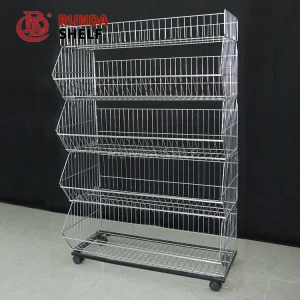
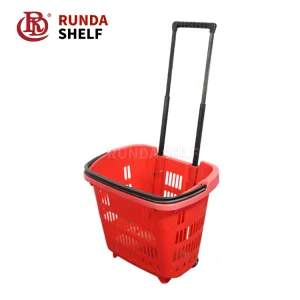
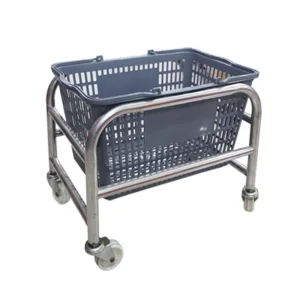
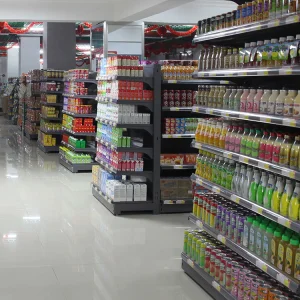
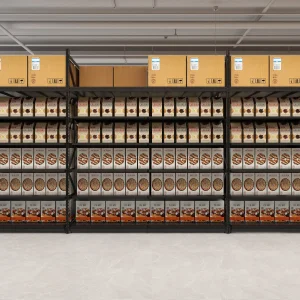
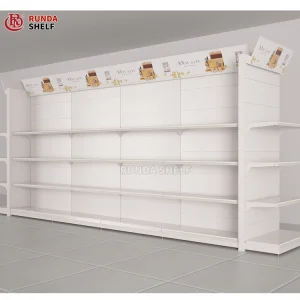
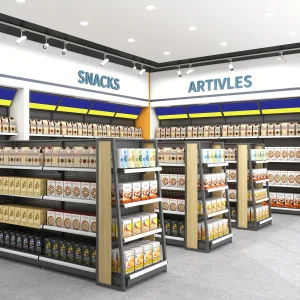
Specialized boltless racking systems, grocery display solutions, stainless shopping transport hardware, and high-capacity store shelving.
 Everack