Everack
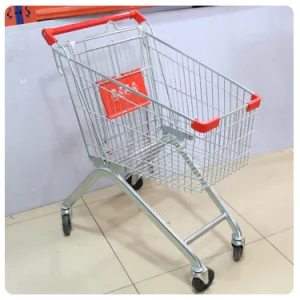
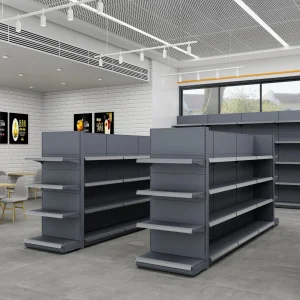
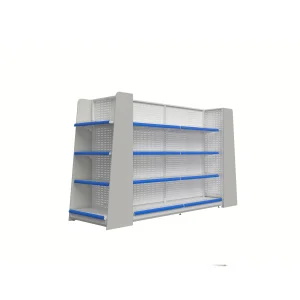
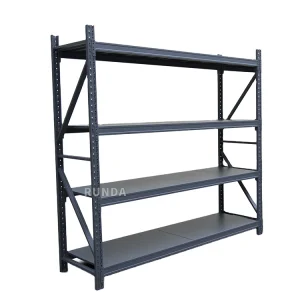
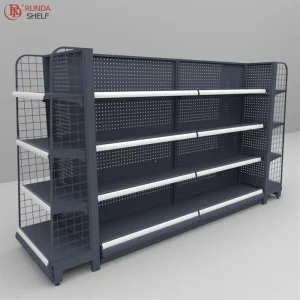
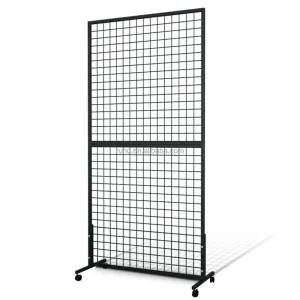
Executive Summary: The Evolution of Industrial Drying Racks & High-Capacity Storage
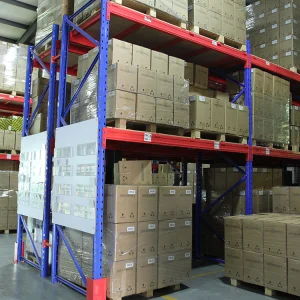
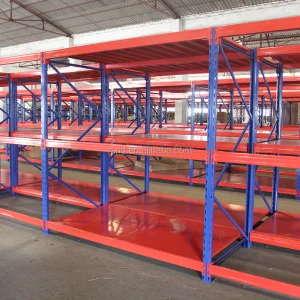
In modern high-throughput manufacturing, commercial agriculture, food processing, pharmaceuticals, and heavy automotive production, the role of structural metal storage—specifically specialized drying racks and multi-tiered industrial racks—has shifted from simple organization to a critical driver of logistics efficiency. A premium drying rack factory does not simply shape metal; it designs structurally sound environmental equipment that must withstand continuous heat cycles, chemical cleaning agent exposures, high moisture, and constant mechanical impacts.
As standard warehousing operations transition to smart, high-density environments, global enterprises require highly custom configurations. Storage solutions must handle significant weight limits, integrate seamlessly with AGVs (Automated Guided Vehicles), and offer anti-corrosion properties that prevent contamination. In the following sections, we outline why Chinese manufacturing platforms lead this space, analyzing both market developments and engineering paradigms.
Global Procurement Demands: Essential Standards for B2B Structural Storage
Procurement teams from North America, Western Europe, and Australia must balance strict structural calculations against tight operational timelines. The core considerations for purchasing professional drying racks and heavy-duty structural steel solutions center on four primary metrics:
- Structural Code Compliance: Systems designed for use in warehouse setups or heavy assembly areas must comply with regional engineering guidelines, such as AS4084 in Australia, RMI (Rack Manufacturers Institute) standards in the US, and EN 15512 in Europe.
- Load Safety Ratios: The standard yield stress must accommodate dynamic loading processes, with load safety factors exceeding standard thresholds to prevent buckling under max stress conditions.
- Anti-Corrosive Coating Technology: Industrial drying environments expose metal surfaces to acidic, alkaline, or extremely humid atmospheres. Racks must be treated with high-grade electrostatic thermosetting epoxy powder coatings or hot-dip galvanizing to resist oxidation.
- Modular Integration: Fixed dimensions are becoming obsolete. Buyers demand adjustable configurations, allowing swift height alterations and structural reconfiguration as manufacturing demands evolve.