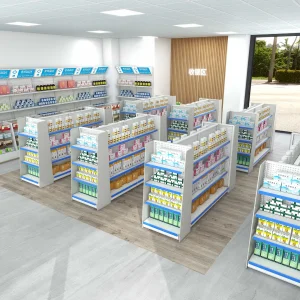
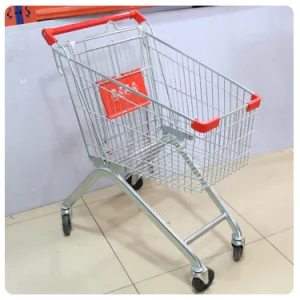
In the highly competitive landscape of international retail and hypermarket management, the physical touchpoints of the customer journey dictate brand retention, operational safety, and overall transaction volume. Among these touchpoints, the humble grocery cart represents the single most utilized piece of mobile equipment. Yet, for global procurement managers, third-party logistics (3PL) centers, and hypermarket operational directors, selecting the correct fleet of shopping carts is a high-stakes calculation involving structural metallurgy, ergonomics, safety compliance, and loss-prevention technology.
Urbanization, changing retail footprints, and smart checkout systems are fundamentally transforming the design requirements of retail rolling assets. Today's commercial shopping cart must withstand dynamic load profiles ranging from 50kg up to 150kg, maintain precise directional tracking, resist atmospheric and chemical corrosion, and seamlessly integrate with automated checkout systems. Furthermore, modern global supply chain pressures dictate that procurement must source from OEM/ODM partners capable of delivering custom modifications that integrate structural resilience, smart tracking (RFID/IoT tags), and localization features, including secure coin locks and anti-theft wheels.
Historically, retail brands have suffered significant loss of asset utility due to premature corrosion, weld fractures, and wheel bearings seizure. Industry data shows that up to 14% of supermarket cart fleets are put out of commission annually due to mechanical failures. By implementing robotic precision welding, high-durability zinc-plated passivated coatings, and advanced polycarbonate component molding, we provide retail chains with carts that feature double the operating lifecycle compared to standard options. Our structural profiles undergo rigorous Finite Element Analysis (FEA) testing to guarantee performance under multi-level structural load limits without metal fatigue.
All customized frame layouts undergo stress analysis under 1.5x maximum load limit simulation, preventing steel sagging and structural misalignment over time.
Utilizing automated powder coating lines, we offer multi-level corrosion prevention, including eco-friendly zinc plating, chrome passivating, and high-gloss clear powder coatings.
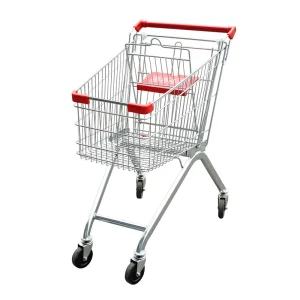
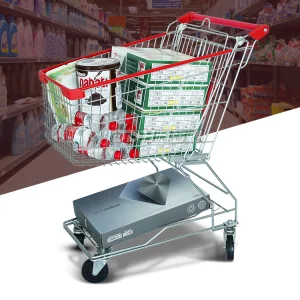
Integrating precise handle geometries, child safety seats with certified seatbelts, and smooth, shock-absorbing polyurethane wheels to elevate the guest shopping experience.
Nanjing Everack Storage Equipment Co., Ltd. was officially established in 2014, drawing upon over 12 years of core industry experience in warehouse storage, retail racking layout, and customized structural metal fabrication. Operating from a state-of-the-art production base in Nanjing, China, our manufacturing plant encompasses a structural facility spanning 38,500 square meters. As a primary global exporter with 9 years of direct supply chain integration, we maintain export programs spanning North America, Western Europe, and Australia, yielding an annual export value of USD 28.5 million.
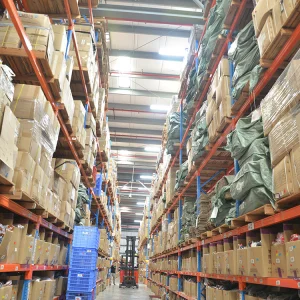
Our ability to support high-tier enterprise buyers relies on an robust network of over 1,200 verified raw material and structural parts suppliers. From raw cold-rolled steel coils to high-durability polymer compounds and specialized castor wheels, our material flow is audited monthly. This ecosystem supports high-density retail platforms, logistics providers, cold-chain environments, and global hypermarkets.
Quality assurance at Everack is embedded across every phase of production. Our facility maintains a specialized quality control division consisting of 45 certified inspectors. Every step—from raw material verification to advanced robotic welding and final powder coating testing—conforms to international structural standards including ISO 9001, CE, and AS4084 safety guidelines. Below is an overview of our specialized production processes, detailing raw material processing, rolling, bending, and automated assembly.
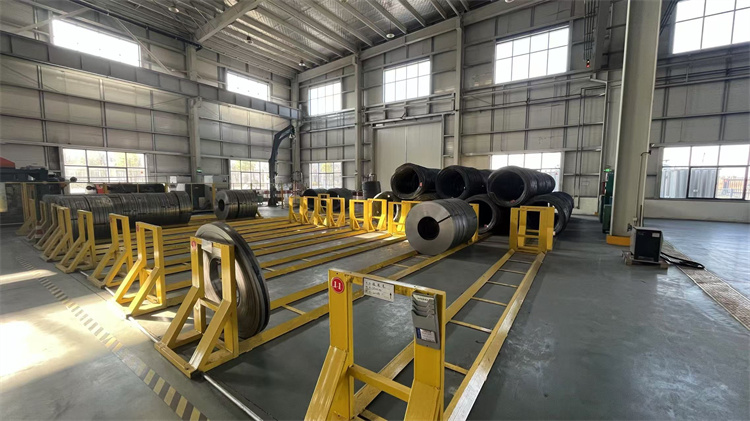


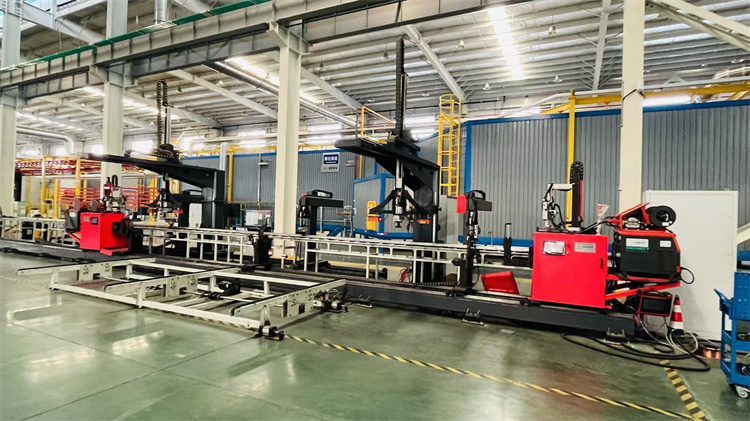


Our dedicated R&D engineering division consists of 68 design engineers who utilize Finite Element Analysis (FEA) and 3D CAD modeling software to design structural solutions that meet the requirements of retail and logistics operations. In the past fiscal year, this team developed 185 product iterations and customized profile designs for global retail operations.
We provide retail operators with custom solutions designed to fit their specific footprints:
All manufacturing programs follow our strict quality control testing protocols, including:
The supermarket cart is evolving from a simple wire basket into an interactive, smart device. Our engineering team is currently testing next-generation technologies to help retailers improve customer convenience, reduce asset loss, and gather operational data.
Integrating RFID chips and low-energy Bluetooth (BLE) transmitters directly into cart handles allows hypermarket operators to track fleet locations in real time. This system helps prevent theft, optimizes fleet layout inside store lobbies, and provides data on how shoppers move through store aisles.
Aligned with global sustainability targets, our R&D is increasing the use of recycled ocean-bound plastics and recyclable aluminum alloys. By reducing weight without sacrificing strength, our next-generation retail carts are designed to reduce carbon footprints during shipping while remaining fully recyclable at the end of their service lives.
 Everack