The manufacturing landscape for kids' commercial shelving, display racks, and school educational displays has transitioned from simple carpentry to high-tech, precision engineering. Today's global buyers—ranging from multinational supermarkets and educational institutions to specialized retail chains—require products that not only optimize display visual aesthetics but also conform to stringent mechanical safety standards, eco-toxicological certifications, and high structural durability benchmarks. Finding the right manufacturer requires a deep dive into engineering capability, raw material integrity, and automated production efficiency.
B2B supply chain managers search for "Kids Display Shelves Manufacturers" looking for custom structural capabilities, certified non-toxic coatings, rapid scaling capacity, and competitive container pricing models. The focus is on finding manufacturers with integrated OEM/ODM capabilities and transparent regulatory certifications.
Instead of generic lists, this document provides technical engineering insights. We evaluate raw material selections (such as cold-rolled steel and E1/CARB P2 MDF composites), chemical testing requirements (EN 71-3 compliance), FEA stress analysis protocols, and robotic manufacturing processes.
Our findings are backed by actual factory-level data from leading manufacturing facilities. This includes material yield stresses, magnetic particle testing methods, powder coating thicknesses, and structural compliance guidelines like EN 15512 and AS4084.
As a benchmark of manufacturing capability in China, Nanjing Everack Storage Equipment Co., Ltd. serves as a classic case study of how advanced engineering is applied to high-capacity display and storage shelving systems.
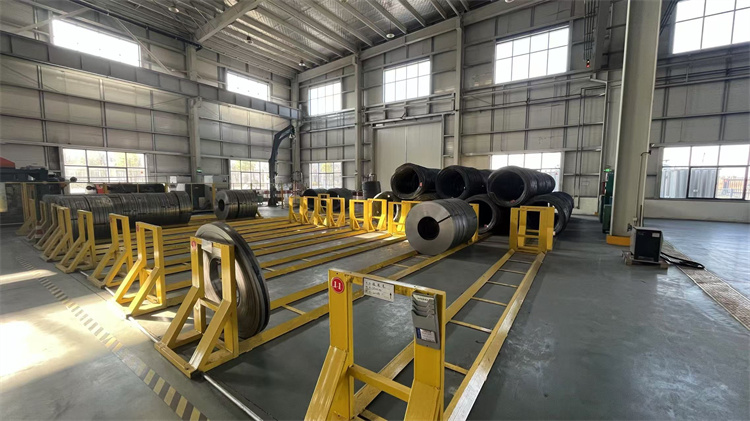
Nanjing Everack Storage Equipment Co., Ltd. was officially established in 2014, operating as a premier enterprise with over 12 years of core industry experience in industrial racking design and structural manufacturing. Situated in a modern industrial center in Nanjing, China, our manufacturing facility spans an expansive building area of 38,500 square meters. As a specialized global vendor with 9 years of dedicated export experience, our products are distributed across North America, Western Europe, and Australia, generating an impressive annual export revenue of USD 28.5 million.
Supported by a robust network of more than 1,200 upstream supply chain partners—including top-tier steel suppliers, automated powder coating providers, and precision hardware manufacturers—we serve high-tier international clients. Our primary customer base consists of third-party logistics (3PL) providers, global e-commerce distribution centers, cold storage operations, and large-scale manufacturing facilities.
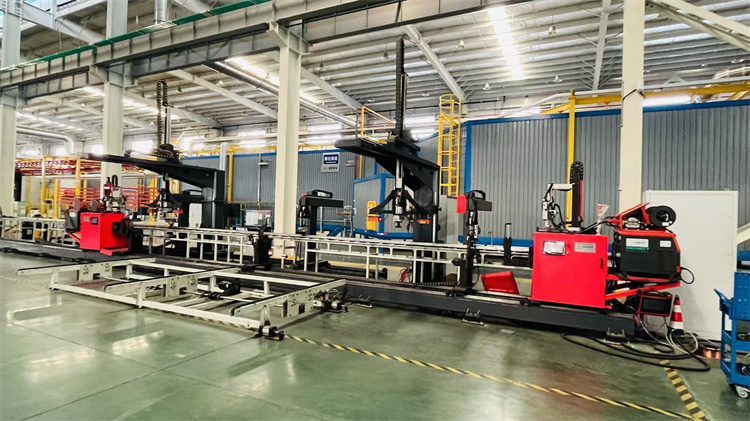
Driven by strong engineering capabilities, Everack employs a professional team of 68 R&D engineers who utilize Finite Element Analysis (FEA) and 3D CAD modeling to engineer high-capacity, seismic-resistant storage systems. In the past year alone, our engineering unit successfully released 185 new product innovations and customized profile iterations.
Quality control is embedded at every phase of our production lines. We maintain a dedicated Quality Control department staffed by 45 certified QC inspectors. Our quality detection standard complies strictly with international metrics (ISO 9001, CE, and AS4084 structural safety guidelines).
Through modern automated production, Everack maintains precision control across all machining stages. By leveraging advanced manufacturing systems, we can guarantee product consistency, stable pricing, and short lead times.




Sourcing kids' display shelves requires a deep understanding of pediatric spatial ergonomics. In retail outlets, public libraries, and preschool classrooms, the structural configuration of display fixtures directly dictates engagement levels and physical safety.
Children's interaction spans are segmented by height. The ideal placement for active visual zones on display shelves falls between 60 cm and 110 cm from the floor. Lower zones (below 60 cm) are ideal for heavy storage containers, while high shelves (above 110 cm) serve strictly as parental access display space.
High-quality kids shelving systems must incorporate built-in anchors to prevent tipping. Heavy-duty back panels, lower center of gravity designs, and dual-point wall anchoring hardware ensure that even if a child attempts to climb the unit, it remains stable.
Unlike standard flat retail shelves, kids shelves utilize forward-facing book displays or angled wire bins. This allows cover art to face the child directly, which research shows increases child selection rates by up to 140% compared to spine-out configurations.
| Material Profile | Structural Load Rating | Compliance Rating | Typical B2B Applications |
|---|---|---|---|
| Eco-Friendly MDF (E1 / CARB P2) | Medium (up to 75 kg per level) | Excellent (Zero VOC option) | Preschool Libraries, Bookstore Displays |
| Cold-Rolled Steel (SPCC) | Extreme (up to 400 kg per level) | Excellent (Salt-spray resistant) | Supermarket Racks, Warehouse Storage |
| Solid Wood & Metal Hybrid | High (up to 150 kg per level) | Excellent (Premium finishes) | High-End Retail Stores, Boutique Toys |
| PP/ABS Injection Plastics | Low (up to 30 kg per level) | Good (Food-grade variants) | Mobile Classroom Toy Organizers |
The next decade of kids shelving manufacturing merges sustainable materials with integrated technology. Sourcing managers must align with factories investing in these future technology tracks:
Traditional adhesives containing formaldehyde are being replaced by bio-synthesized plant resins. Top-tier manufacturers are adopting ultra-low VOC waterborne coatings and UV curing ovens, ensuring display shelves emit zero hazardous chemicals upon delivery.
Smart shelves equipped with low-cost weight-sensors or RFID tags are entering the high-end retail and library spaces. These systems automatically monitor inventory levels, updating storage managers in real time regarding replenishment needs.
Sourcing kids furniture requires complying with complex regional safety laws. Failing to meet these standards can result in customs delays and liability issues. Vetted suppliers must prove compliance in the following areas:
Must meet ASTM F963-17 toy safety standards, CPSIA lead and phthalates limits, and CARB Phase 2 formaldehyde emissions limits for composite wood materials.
Strict compliance with EN 71-3 (migration of certain elements) is required. Mechanical stability must satisfy EN 14749 for domestic and kitchen storage furniture.
Structural components must satisfy Australian safety requirements, including stability benchmarks that prevent tip-overs and crushing hazards.
Use this technical evaluation scorecard when interviewing and selecting a global kids display shelves supplier:
 Everack