Engineered for high-traffic retail environments, structural stability, and maximum merchandise visibility.
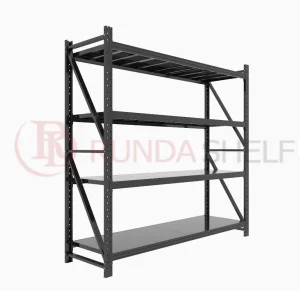
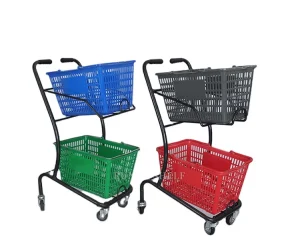
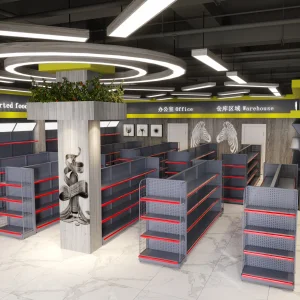
Understanding the intersection of consumer psychology, store design, and structural durability.
The global retail footwear sector is undergoing a massive shift towards modularity, aesthetic integration, and optimized structural performance. Modern commercial operations no longer view shoe displays as passive furniture. Rather, they are strategic assets that dictate customer footfall, define brand identity, and directly impact the average order value (AOV).
For brands and retail chain operators seeking to procure fixtures at scale, selecting the right partner involves balancing structural integrity, aesthetic customization, and cost-effective bulk production. From luxury boutique shelves to heavy-duty department store gondolas, the design, weight capacity, and finish quality of physical fixtures directly translate to buyer engagement and storage safety.
SEO Insight & Intent: High-performance store fixture procurement teams require technical drawings, material properties (such as cold-rolled steel ratings), load capacity data, and long-term durability metrics (like salt spray corrosion testing) rather than simple aesthetic descriptions.
Our analysis outlines how premium manufacturers bridge the gap between architectural layout requirements and structural shop floor capabilities.
What global procurement managers look for in high-tier manufacturing and export partners.
Displays must support heavy loading and allow flexible reconfiguration. Utilizing modular grid systems, interchangeable shelving, and adaptable heights prevents retail spaces from looking static.
Top manufacturers utilize premium structural carbon steels (such as Q235B or Q345B) combined with advanced powder coating to prevent paint chipping, surface corrosion, and physical deformation.
The gap between a CAD drawing and a physical mock-up must be as short as possible. CNC laser cutting, robotic welding, and automated bending ensure absolute dimensional accuracy.
How localized production ecosystems translate to cost, speed, and quality benefits for international buyers.
China's steel fabrication and commercial shopfitting industry is powered by deep industrial clusters. Factories located in manufacturing hubs like Jiangsu, Guangdong, and Zhejiang benefit from proximity to raw material producers, advanced finishing facilities, and highly efficient transport links.
For global buyers, this supply chain concentration translates to shortened production lead times and high material consistency. Integrated manufacturing ecosystems allow factories to source, machine, treat, and package complex multi-material displays (incorporating metal mesh, solid wood, acrylic, and integrated LED lighting) under one roof.
1. Dimensional Mismatch: Resolved via 3D CAD modeling, FEA verification, and precision CNC manufacturing.
2. Structural Sagging: Controlled by setting strict minimum metal thickness thresholds and utilizing structural strengthening ribs.
3. Shipping Damages: Addressed through drop-tested custom packaging using multi-layer corrugated boxes and custom foam inserts.
A trusted global partner for high-capacity industrial and retail display infrastructure.
Established in 2014, Nanjing Everack Storage Equipment Co., Ltd. operates as a premier enterprise specializing in structural storage engineering, industrial racking design, and commercial retail display fabrication. Operating from our state-of-the-art manufacturing facility spanning 38,500 square meters in Nanjing, China, we bring over 12 years of core industry expertise to global retail and warehousing clients.
As a seasoned exporter with 9 years of direct shipping experience, our products are distributed to key markets in North America, Western Europe, and Australia. Backed by a vast supply chain ecosystem of over 1,200 partners, we maintain a dedicated workforce including 45 certified QC inspectors and 68 R&D engineers to support large-scale OEM and ODM projects.
Our production facility operates under strict ISO 9001, CE, and AS4084 guidelines. The QC department performs rigorous tests at every stage:
Supported by 68 R&D engineers utilizing Finite Element Analysis (FEA) and 3D CAD modeling, we release over 180 customized structural updates yearly:
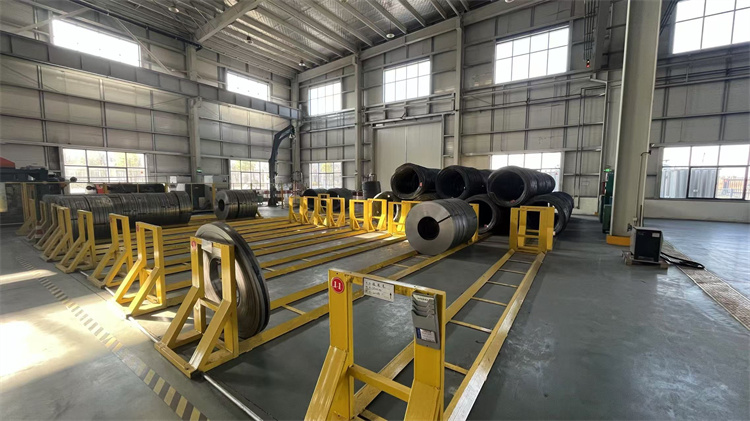
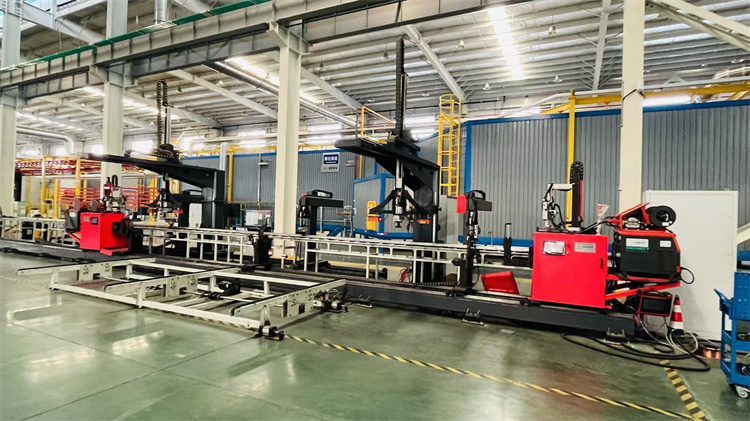
Inside our advanced production line: raw sheet processing, automated forming, robotic welding, and powder coating.




Ensuring compliance, smooth customs processing, and on-site assembly across international borders.
Navigating different national safety standards is critical. High-quality display manufacturers design products that comply with regional structural safety codes:
Global logistics support goes beyond shipping containers. Premium vendors provide flat-packed shipping to minimize freight volume, accompanied by:
How modular display systems and structural storage configurations adapt to different commercial environments.
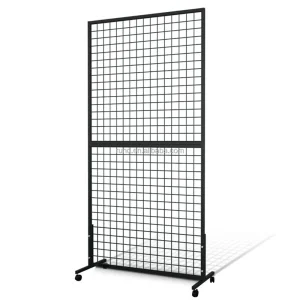
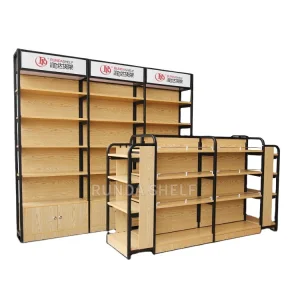
Utilizes modular wire gridwalls, slatwall systems, and integrated LED metal shelves. Lightweight, durable materials allow store associates to easily update display configurations to match seasonal product drops.
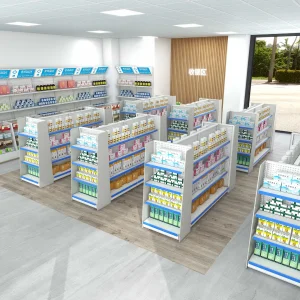
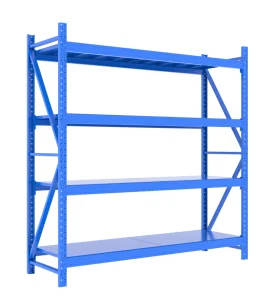
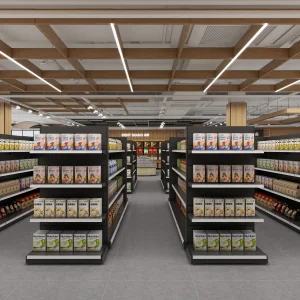
Relies on heavy-duty double-sided steel gondolas and wire storage racks. Designed to handle high-density merchandise setups with up to 500kg of load capacity per shelf tier.
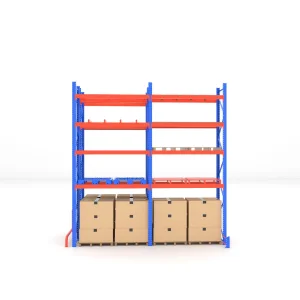
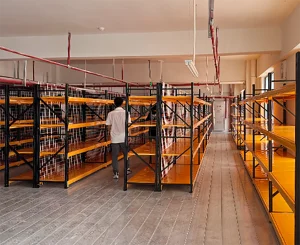
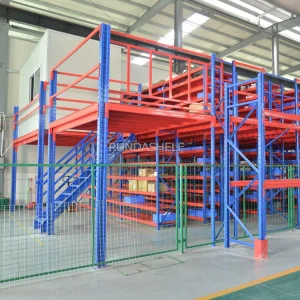
Integrates heavy-duty mezzanine racking and cantilever storage structures. Optimizes vertical space for high-volume inventory storage and rapid parcel picking.
Detailed answers to help streamline your purchasing decisions.
Heavy-duty, load-bearing storage and retail systems designed for optimal space utilization and warehouse logistics.
 Everack