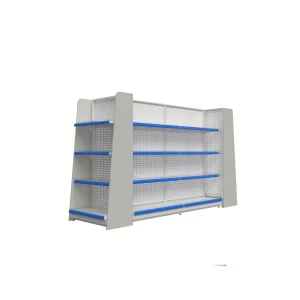
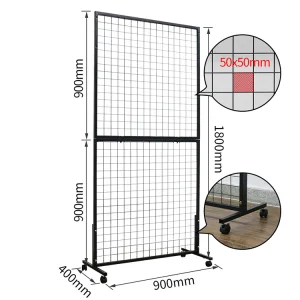
State-of-the-Art Factory Floor
Annual Global Export Volume
FEA-Certified R&D Engineers
Upstream Supply Chain Partners
Osaka, as the historic kitchen of Japan and the central economic core of the Kansai region, stands as a critical hinge in the East Asian supply chain network. The Osaka Bay area, featuring complex modern marine hubs like Sakishima, Maishima, and Yumeshima, has experienced an unprecedented surge in demand for optimized warehousing logistics systems. Given the high cost of industrial land in urban centers, storage operations are heavily pushing towards spatial height utilization, necessitating engineered racking systems that can support massive vertical loads while remaining strictly safe under Japanese seismic code constraints.
In addition to strict seismic resistance requirements, local businesses in Osaka—ranging from food distribution centers to advanced pharmaceutical labs—require specialized, bespoke materials. Marine proximity demands robust rust mitigation, including hot-dip galvanization and advanced marine-grade polyester powder coatings. The retail landscape in areas like Shinsaibashi, Umeda, and Namba also dictates custom, aesthetically refined display shelves that integrate modular layouts and composite materials to match modern Japanese consumer expectations.
Globally, logistics strategies are transitioning from the classic lean "Just-in-Time" (JIT) model to the "Just-in-Case" (JIC) supply buffer logic. This change demands larger, more densely configured storage units and highly organized SKU configurations. The rapid scaling of global e-commerce and automated distribution networks has made standard warehousing shelves obsolete. Today’s industrial racks are active elements of semi-automated and fully automated storage retrieval systems (AS/RS).
Modern pallet racks must now feature precision steel profiles, integrated sensor brackets, and structural tolerances measured to the millimeter. Structurally, manufacturers must transition from basic raw mild steel to high-tensile alloys (such as Q235 and Q355 grade steel), processed under continuous quality checks to prevent structural failures that could trigger supply chain disruptions.
Under Japan's Building Standard Act and JIS standard regulations, rack installations in seismically active zones must undergo rigorous finite element dynamic analysis. Our engineering team conducts simulated floor response spectrum tests (seismic coefficient Co ≥ 0.2 - 0.3) to customize upright profiles, baseplate configurations, and diagonal cross-bracings. This ensures that every racking line exported to Osaka is capable of absorbing shear forces and avoiding collapse during high-intensity earthquakes.
The shelving industry is entering a phase of digitalization and automated production. We are actively executing a technology roadmap centered on three pillars:
1. Material Intelligence: Deploying ultra-high-yield steels and anti-bacterial coatings for cleanrooms and food depots across Osaka.
2. Structural Modularity: Creating toolless, boltless snap-in shelving structures that slash onsite installation times in expensive urban zones while allowing rapid re-configurations.
3. Advanced Surface Treatments: Utilizing zero-VOC electro-statically applied coatings that offer resistance against chemical corrosion, abrasions, and extreme cold storage temperatures.
Every piece of shelving we deliver to Osaka passes through an advanced, automated pipeline. From raw steel ultrasonic flaw detection to robotic welding and CNC precision profiling, our methods guarantee unparalleled structural reliability.
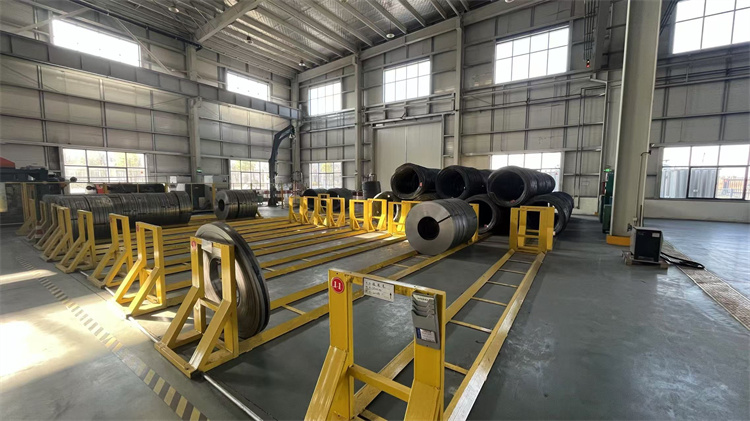


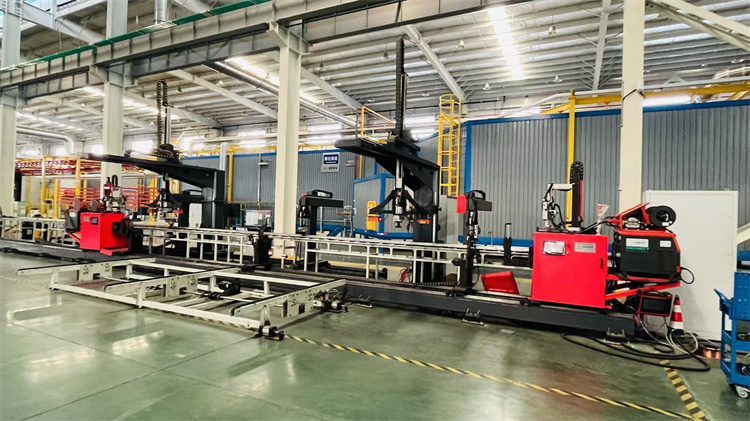


At Nanjing Everack, structural safety is paramount. Our Quality Control department operates under a multi-phase validation protocol designed to assure safety under the heavy workload demands of industrial sites.
Continuous ultrasonic testing is deployed directly on incoming steel coils to inspect for internal structural micro-flaws. We strictly measure metal thickness to prevent profile thinning before rolling begins.
Our welding robots perform continuous precision seams. Inspectors execute magnetic particle testing (MPT) alongside automated visual scanners to guarantee 100% penetration of structural welding joints.
Simulated load limit testing verifies elastic limits. Finished components undergo cross-cut tape adhesion diagnostics and prolonged ASTM salt-spray exposure tests to ensure high rust-resistance in humid climates.
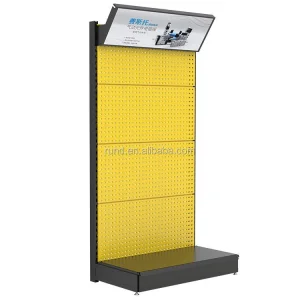
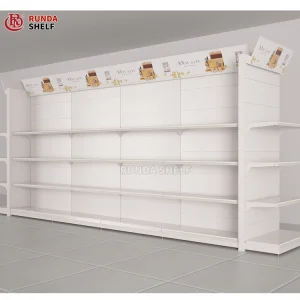
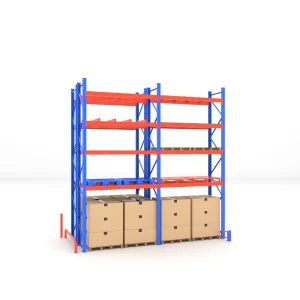
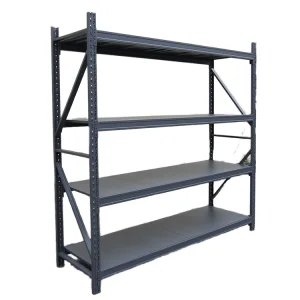
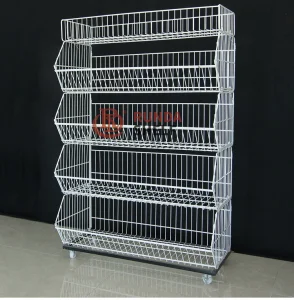
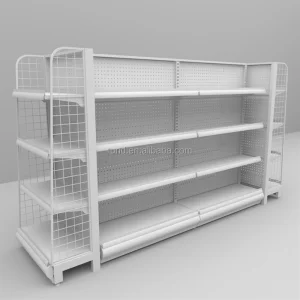
Every facility in Osaka demands a specialized approach. Our team of 68 R&D engineers leverages 3D CAD modeling and Finite Element Method (FEM) software to design customized, robust structural plans tailored to your facility layout.
Calculated structural load limits, specialized upright bracing patterns, and heavy floor anchorages configured for the seismic zones of Japan.
Advanced anti-corrosive treatments, hot-dip galvanization for coastal warehouses near Osaka Port, and food-grade safety finishes.
Adjustable vertical levels with structural capacities ranging from 500kg to 4,000kg per tier to accommodate heavy-duty operations.
Find answers to typical engineering, safety compliance, and shipping queries regarding industrial shelving imports into Osaka.
We design structural installations based on historical earthquake coefficients (Co ≥ 0.2 - 0.3) specific to Osaka Prefecture. Using finite element structural analysis (FEA), we calculate dynamic base shear forces and configure extra-thick upright baseplates, heavy anchor bolts, and specialized diagonal bracings to ensure absolute integrity during seismic occurrences.
We utilize structural-grade carbon steels (such as Q235 and Q355). These materials are thoroughly tested for yield strength and elastic limits to verify compliance with international load-bearing guidelines, including European CE standards and Australian AS4084 guidelines.
Production cycles vary from 20 to 30 days depending on order complexity. Shipping from our facilities to Osaka Port takes approximately 4 to 7 days. We provide comprehensive export documentation, including detailed material test certificates, assembly blueprints, and packing lists, to ensure smooth customs clearance.
Yes, we offer specialized epoxy-polyester coatings and hot-dip galvanized components engineered for low-temperature environments (down to -40°C). These finishes prevent peeling and protect structural surfaces from rust and corrosion in cold storage warehouses.
Partner with Everack to secure high-performance, seismic-compliant industrial shelving for your Osaka operations. Get in touch with our engineering team for dynamic load calculations and a free layout consultation.
Send Inquiry Now Everack