Direct-factory engineering and custom logistics equipment designed to maximize storage density in Thailand's main distribution corridors.
Thailand has evolved into the logistical heartbeat of Mainland Southeast Asia. Propelled by the government's ambitious Eastern Economic Corridor (EEC) initiatives, provinces such as Chonburi, Rayong, and Chachoengsao have transformed into highly digitized logistics corridors. Concurrently, the post-pandemic surge in food processing, cold-chain distribution, automotive exports, and high-velocity e-commerce logistics has triggered a critical scarcity of prime warehouse floor space.
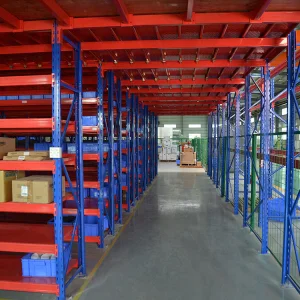
Within this industrial environment, conventional selective pallet racking is increasingly viewed as inefficient. Industrial operators in Bangkok, Samut Sakhon, and Pathum Thani are transitioning toward high-density racking configurations—foremost among them, the Drive-In Racking System. By eliminating dedicated forklift aisles, drive-in structures reduce the required aisle space by up to 60%, allowing companies to achieve unmatched storage volume densities.
SEO Insight & Semantic Value: As energy tariffs in Thailand fluctuate, the operational costs of running cold storage facilities (typically operating between -18°C and -28°C) are rising. Minimizing the cubic volume that requires cooling is essential. High-density drive-in systems achieve optimal volumetric utilization, lowering the thermal footprint per pallet and driving direct energy savings for cold storage operators.
Drive-in racking operates on a Last-In, First-Out (LIFO) material flow pattern. Pallets are loaded onto continuous, cantilevered structural support rails, allowing forklifts to enter the physical rack structure to deposit or retrieve loads. This system is exceptionally well-suited for high-volume, low-SKU applications. It provides several key benefits for manufacturing and distribution facilities:
Safety is the primary metric for heavy-duty storage design. In Thailand, industrial racking must account for distinct geological and environmental stresses, including localized seismic activity in northern regions and the load-bearing limits of soft alluvial soils in the Chao Phraya River basin near Bangkok. Heavy-duty racking systems must be engineered with robust floor anchors and specialized baseplates to ensure stability.
At Nanjing Everack, structural safety is built on rigid adherence to international standards, including AS4084:2012 Steel Storage Racking and the FEM 10.2.07 European Design Code. By using high-yield structural steel profiles (primarily Q235B or Q355B grades), we design frames that withstand both static loading stress and the dynamic impacts of everyday warehouse operations.
Our engineering division of 68 specialists uses advanced Finite Element Analysis (FEA) to simulate complex loading conditions. Through computational stress maps, we identify potential high-stress points at beam-to-column connections and structural joints. This data-driven approach allows us to optimize wall thicknesses and upright shapes, ensuring that our systems deliver reliable load capacities from 500 kg to 4,000 kg per level, even under seismic conditions.
Nanjing Everack Storage Equipment Co., Ltd. was established in 2014, drawing on over 12 years of industry experience in structural racking design and precision manufacturing. Operating from a modern 38,500 square meter facility in Nanjing, China, our company has grown into a leading exporter of heavy-duty storage systems. We generate USD 28.5 million in annual export revenue, supplying high-performance systems to clients in North America, Western Europe, Australia, and rapidly expanding markets across Southeast Asia, particularly Thailand.
Our operation is built on a robust network of over 1,200 trusted upstream suppliers. This deep supply chain integration ensures consistent access to premium structural steel, certified powder coatings, and high-precision fasteners. This supply security allows us to manage large-scale industrial projects with short lead times, maintaining structural integrity across every production batch.
Our facility maintains a dedicated Quality Assurance department staffed by 45 certified QC inspectors. We verify every structural component, from raw material arrival to final container packaging, ensuring total compliance with global ISO 9001 and CE certifications. Our inspection regime includes:
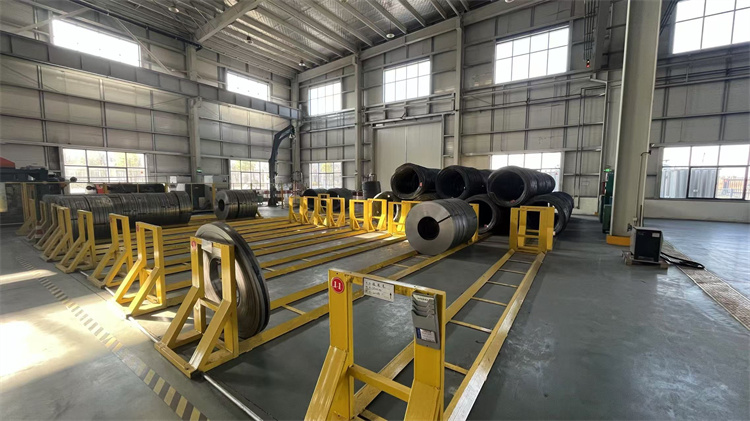
Our manufacturing workflow is highly integrated and automated. Below is the step-by-step visual map showing how raw steel is transformed into finished industrial-grade components:


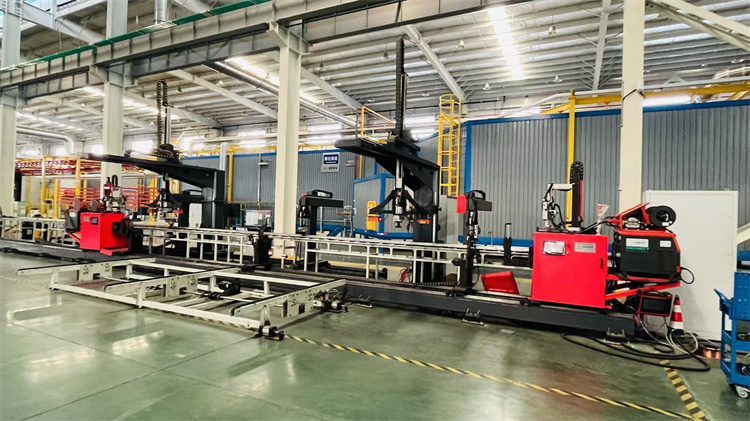


To deliver maximum reliability under heavy duty usage, Nanjing Everack designs systems that feature several critical engineering parameters:
The warehousing landscape in Thailand is rapidly modernizing. Standard manual forklift drive-in racking is increasingly integrated with semi-automated Pallet Shuttle Systems. Shuttles carry pallets inside the lanes on high-speed tracks, eliminating the need for forklifts to enter the physical rack structure. This hybrid configuration increases operational speeds, limits structural contact, and enhances warehouse safety.
Nanjing Everack remains at the forefront of this industrial shift. We design our structures to be fully compatible with automated shuttle machinery and Automated Guided Vehicles (AGVs). By engineering tight structural tolerances and straight rail pathways, our systems provide a reliable foundation for companies transitioning to Industry 4.0 automation.
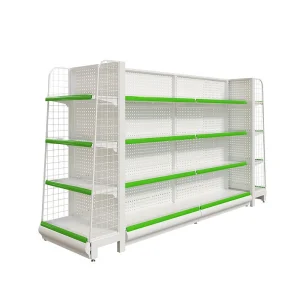
Explore our full range of heavy-duty warehouse racking, supermarket display stands, and customizable logistics systems.
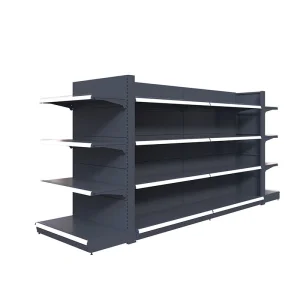
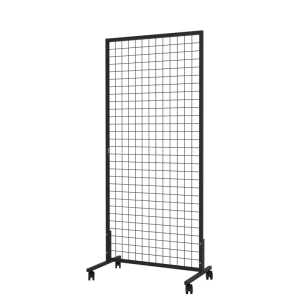
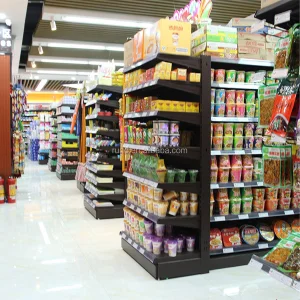
Get in touch with our design engineers. We offer complimentary CAD drawings, structural analysis simulations, and comprehensive quotes tailored for projects in Thailand and globally.
Send Inquiry Now Everack