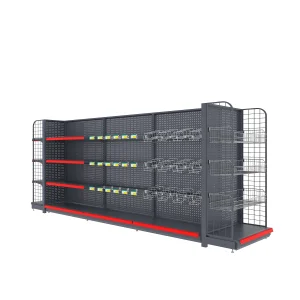
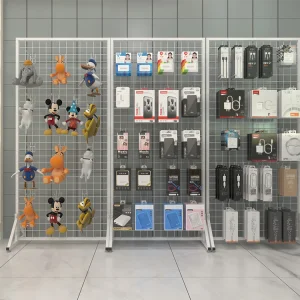
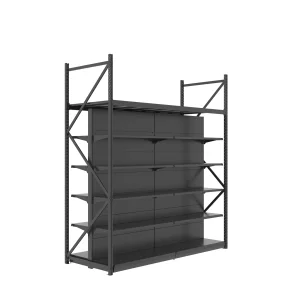
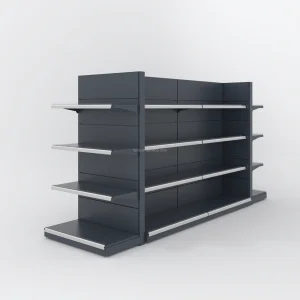
Immediately available custom storage racking and retail displays configured for regional commerce hubs.
Analyzing the macroeconomic shift toward automated material handling and optimized warehousing.
Uzbekistan is undergoing a rapid, state-backed industrial transition. Positioned at the heart of the historic Silk Road, the nation has evolved into Central Asia’s primary logistics pivot. With massive investments flowing into the China-Kyrgyzstan-Uzbekistan (CKU) Transport Corridor, the speed of domestic and cross-border trade is reaching unprecedented rates. Tashkent, Samarkand, and Namangan are experiencing a major construction surge in Class-A logistics facilities, cold-chain depots, and high-density retail distribution centers.
Historically, warehouse operators in Uzbekistan relied on basic, static shelf configurations. However, with surging commercial demands, dynamic space optimization has transitioned from a luxury to a baseline operational requirement. High rental yields and the fast-moving consumer goods (FMCG) market have driven operations to integrate Fluent Shelves (Gravity Flow/Carton Flow Systems). These structures minimize labor travel times, maximize structural storage capacity, and enforce rigid First-In, First-Out (FIFO) batch control.
Furthermore, regional challenges dictate unique engineering constraints. Uzbekistan falls within highly active seismic zones, requiring warehouses to implement strict seismic designs. Racking components must handle dynamic horizontal accelerations without compromising stability, mandating structural finite element testing and high-tensile steel construction.
How carton flow dynamics eliminate warehouse bottlenecks and optimize picking cycles.
By utilising gravity roller tracks angled at 3° to 5°, goods automatically slide from the loading aisle to the picking aisle. This ensures absolute stock rotation and prevents perishable inventory degradation.
Picking paths are decoupled from restocking operations. Restockers work on the rear aisle while pickers access inventory at the front, removing collision risks and streamlining foot traffic.
By eliminating redundant access aisles needed for static shelving, fluent shelves group products together, reducing the building footprint while retaining individual SKU accessibility.
Nanjing Everack's verified structural testing, manufacturing capabilities, and export compliance.
Nanjing Everack Storage Equipment Co., Ltd. was officially established in 2014, operating as a premier enterprise with over 12 years of core industry experience in industrial racking design and structural manufacturing. Situated in a modern industrial center in Nanjing, China, our manufacturing facility spans an expansive building area of 38,500 square meters. As a specialized global vendor with 9 years of dedicated export experience, our products are distributed across North America, Western Europe, and Australia, generating an impressive annual export revenue of USD 28.5 million.
Supported by a robust network of more than 1,200 upstream supply chain partners—including top-tier steel suppliers, automated powder coating providers, and precision hardware manufacturers—we serve high-tier international clients. Our primary customer base consists of third-party logistics (3PL) providers, global e-commerce distribution centers, cold storage operations, and large-scale manufacturing facilities. Quality control is embedded at every phase of our production lines, managed by 45 certified QC inspectors compliant with ISO 9001, CE, and AS4084 guidelines.
Driven by strong engineering capabilities, Everack employs a professional team of 68 R&D engineers who utilize Finite Element Analysis (FEA) and 3D CAD modeling to engineer high-capacity, seismic-resistant storage systems. In the past year alone, our engineering unit successfully released 185 new product innovations and customized profile iterations. We provide tailored loading capacities ranging from 500 kg up to 4,000 kg per level, alongside seismic bracing and customized vertical spacing.
An inside look at our advanced manufacturing lines, automated welding, and powder coating systems.
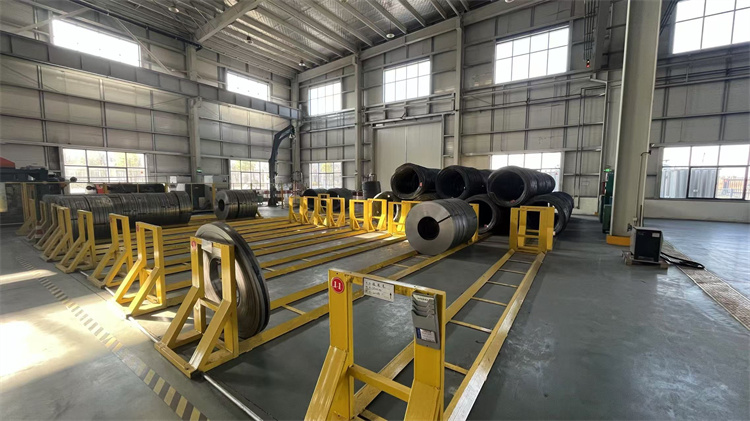


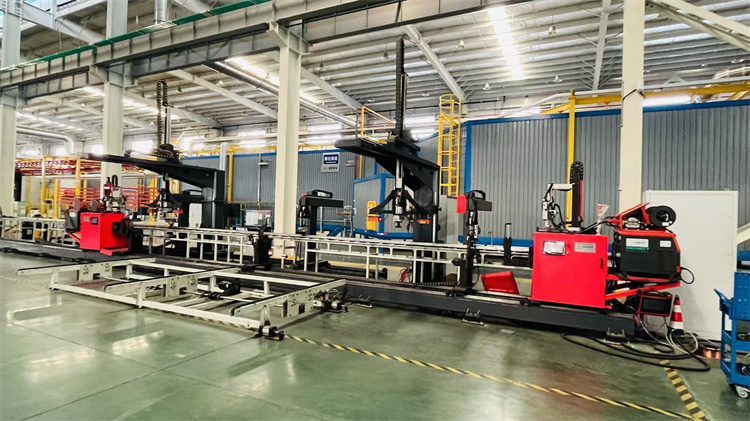


Aligning industrial storage configurations with regional seismology and market requirements.
As automotive assembly plants scale in the Andijan region, sub-assembly logistics require rapid flow. Custom-designed fluent shelves (gravity carton-flow racks) organize heavy-duty component bins directly beside production lines, keeping parts accessible to line operators.
The Fergana Valley is Uzbekistan's agricultural center. Exporting fresh produce to Russia and the Middle East requires cold chain reliability. Everack designs hot-dip galvanized racking systems to resist humidity and condensation down to -30°C.
Tashkent sits in a seismically active zone. We run finite element analysis (FEA) to simulate local earth movements. We construct racking with thicker upright profiles, enlarged footplates, and seismic structural bracing to meet AS4084 and local safety guidelines.
Explore our full range of structural pallet systems, light-duty shelving, and specialized store displays.
Key quality and structural parameters for industrial procurement managers.
When procuring warehouse shelving systems for Central Asian operations, global purchasing managers must look beyond unit costs. To ensure warehouse safety and long-term durability, your technical team should evaluate the following structural specifications:
Expert answers regarding design, freight, installation, and engineering certifications.
A fluent shelf (also known as a carton flow or gravity flow racking system) uses angled roller tracks. Cartons or bins are loaded from the rear replenishment aisle and slide down by gravity to the front picking face. This enforces first-in, first-out (FIFO) inventory rotation, reduces picker travel times by up to 60%, and increases picking efficiency.
Yes. Our R&D engineering team conducts Finite Element Analysis (FEA) to design racking systems for seismically active regions like Tashkent. We adapt the system by using thicker upright profiles, heavy-duty floor anchoring, and cross-bracing systems to ensure stability.
Manufacturing typically takes 20 to 30 days depending on order volume. Shipping to Uzbekistan is handled via container rail freight through the Xinjiang-Alashankou/Korgas border crossings directly to Tashkent. Total door-to-door transit time ranges from 15 to 25 days.
We use automated powder spraying lines that clean, pre-treat, and bake coatings at high temperatures. For sub-zero environments, we provide hot-dip galvanized or specialized epoxy powder coatings. These finishes undergo cross-hatch adhesion and salt spray testing to prevent peeling and rust.
Yes. We supply 3D assembly drawings, detailed CAD installation layouts, and step-by-step assembly guides with every shipment. For major projects in Uzbekistan, we can also arrange online engineering support to guide local installation teams.
 Everack