 Everack
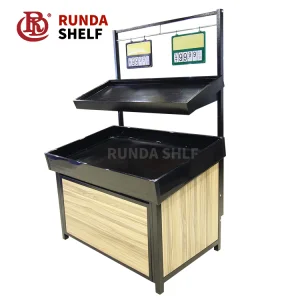
Optimized load distribution and hygienic shelving design for high-traffic Canberra fresh produce retail centers.
The Australian Capital Territory (ACT), centered around Canberra, operates under unique demographic and geographical supply dynamics. As an inland urban economy with high median household incomes, Canberra demands premium-grade fruit, vegetable, and fresh grocery products year-round. However, because Canberra relies heavily on logistics corridors linking major agricultural regions in New South Wales (such as the Riverina and Central West) and the wholesale terminals in Sydney (Flemington) and Melbourne (Footscray), the local warehousing infrastructure must perform with exceptional reliability.
Industrial centers in Hume, Mitchell, and Fyshwick serve as the operational backbone for fresh food distribution across Canberra and the surrounding region. The handling of fresh agricultural assets requires strict compliance with food-safety standards alongside high-density storage management. To keep products fresh and reduce post-harvest waste, facilities utilize high-density pallet racking, FIFO (First-In, First-Out) inventory control, and corrosion-resistant shelving designed for humid cold-room spaces. Proper equipment planning ensures structural stability under heavy loads while facilitating regular wash-downs.
Racking systems engineered to exceed Australian structural safety and seismic standards, protecting personnel and stock.
Zinc-plated, hot-dip galvanized, or electrostatic powder coatings engineered specifically for extreme cold-room moisture.
Flexible layouts designed for rapid shelf adjustments, catering to changing seasonal stock sizes and high turnover rates.
Globally, fresh food distribution relies on smart logistics systems that optimize space, accelerate order picking, and prevent damage to delicate inventory. Suppliers who can meet these rigid global operational standards understand that raw material control, precise automated manufacturing, and robust QA testing are essential to delivering high-performance storage infrastructure.
At Nanjing Everack Storage Equipment Co., Ltd., we bridge the gap between advanced manufacturing and local logistical requirements. Backed by 12+ years of core industrial racking design and manufacturing experience, our facilities utilize state-of-the-art cold roll forming, robotic welding, and automated powder coating systems to deliver consistent, heavy-duty structures.
By integrating strict quality inspections at every stage—from ultrasonic raw material verification to paint adhesion tests—we supply Canberra companies with structures capable of supporting workloads up to 4,000 kg per level, even under demanding thermal conditions.
Detailed verification of our physical fabrication processes, showing how we maintain strict tolerances and high loading capabilities.
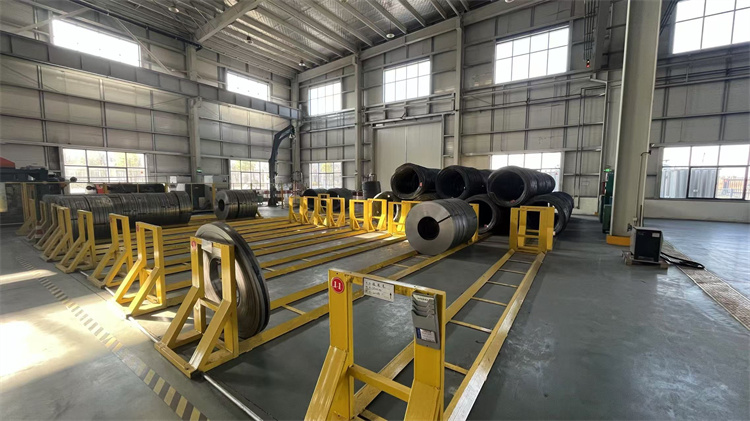


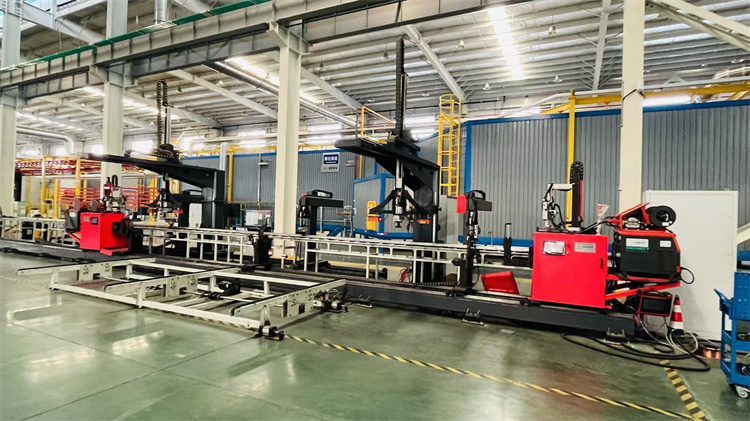


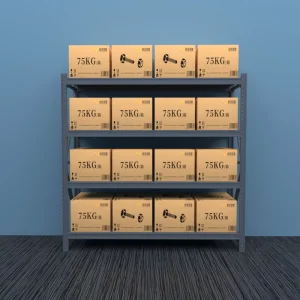
Fresh produce warehousing requires careful attention to load engineering. Unlike dry goods, fresh produce is often stored in heavy plastic crates, bins, or on pallets loaded with water-dense items like root vegetables, apples, or citrus fruits. Consequently, a single pallet load can range from 1,000 kg to over 2,000 kg. If storage systems are not designed correctly, the combination of heavy loads and high-frequency retrieval by forklift operators can compromise structural safety.
To ensure safety and durability, our engineering team uses Finite Element Analysis (FEA) to simulate structural stress before production. In accordance with AS4084 guidelines, we calculate critical factors such as frame buckling limits, beam deflection ratios under load, and local impact resistance. By testing our upright profiles and connectors under simulated stress, we ensure our racking systems remain stable even when loaded to maximum capacity.
Additionally, the cold temperatures in refrigerated rooms (ranging from 0°C to 4°C) and deep freezers (down to -25°C) can cause steel to become brittle. To combat this, we use premium structural steel (like Q235B and Q355) and apply protective surface treatments like hot-dip galvanizing and specialized powder coatings. This helps prevent rust and maintains structural integrity in high-moisture environments.
Heavy-duty, adjustable storage systems for cold rooms, distribution centers, and retail stores in Canberra.
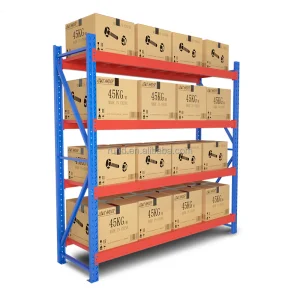
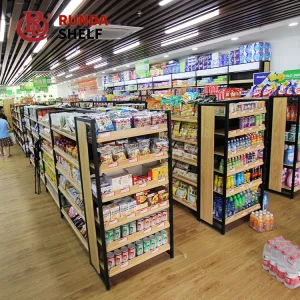
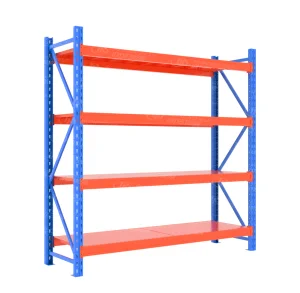
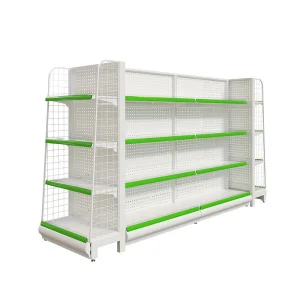
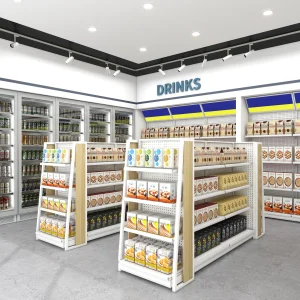
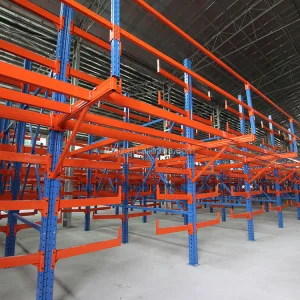
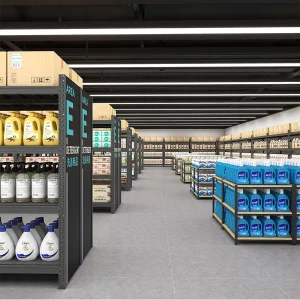
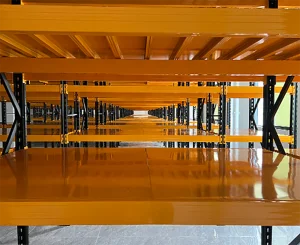
In the Australian Capital Territory, storage planning must match the layout and operations of the local facility. Whether setting up a fresh produce hub in Fyshwick or a major logistics center in Hume, selecting the right racking system is key to operational efficiency.
For temperature-controlled warehouses, high-density drive-in racking or gravity-fed dynamic flow tracks help maximize space utilization. Minimizing empty spaces in refrigerated zones reduces the energy needed to maintain cold temperatures, lowering operating costs. Our galvanized steel shelving systems are designed to withstand these humid, cold environments without rusting, keeping storage spaces safe and hygienic.
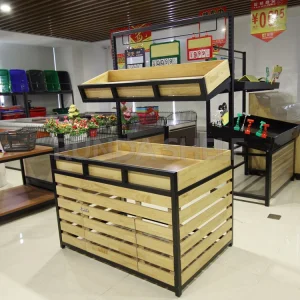
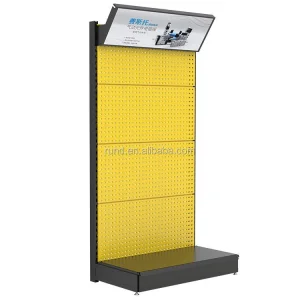
For retail locations and farm-to-table grocers, presenting fresh produce in a clean, appealing way is essential. Display racking must be easy for customers to browse while remaining sturdy enough for staff to restock quickly. Combining wood accents with metal frames creates an attractive shopping environment, and using food-grade materials helps simplify daily cleaning routines.
Expert insights on AS4084 structural safety, load limits, and cold storage specifications for the Australian market.
Consult with our structural design engineers to receive customized CAD layouts, structural calculations, and competitive pricing for your Canberra-based retail or industrial facility.
Send Inquiry Now