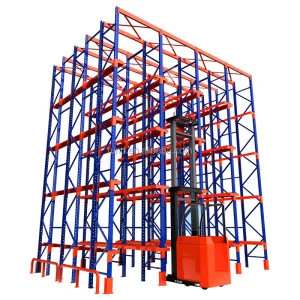
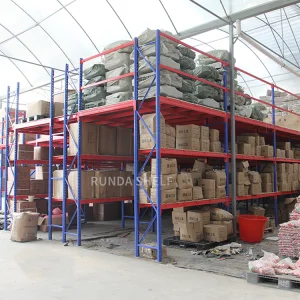
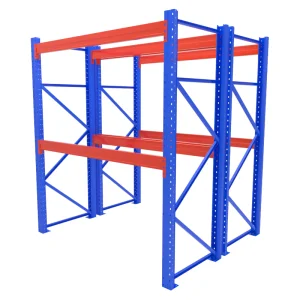
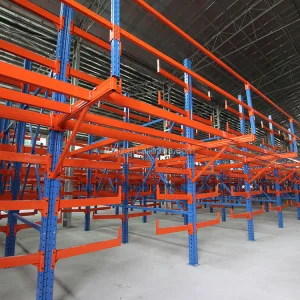
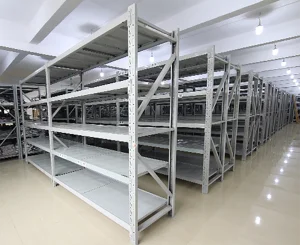
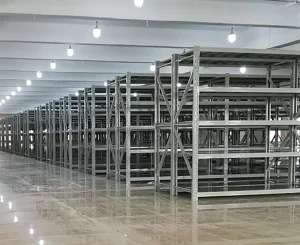
Engineered structural pallet racking systems configured to optimize logistics real estate
Proven operational metrics underlying Nanjing Everack's global logistics supply network
The State of Israel represents a high-density, rapidly growing economic corridor driven by technology, pharmaceuticals, food imports, and sophisticated defense manufacturing. Because of geopolitical constraints, Israel functions effectively as an "island economy," relying heavily on maritime import infrastructures via the Port of Ashdod and the Port of Haifa. This isolation places exceptional operational pressure on internal supply chains and distribution networks.
Industrial land in Israel—particularly in the Central District (Gush Dan, Rosh Haayin, and Modi'in)—is scarce and carries some of the highest real estate lease rates in the EMEA region. Companies are forced to expand vertically. Consequently, there is an urgent demand for heavy storage systems that maximize volume, support high load capacities, and integrate seamlessly with Automated Storage and Retrieval Systems (AS/RS).
Furthermore, parts of Israel sit along the Jordan Rift Valley, making seismic structural design a critical compliance parameter. To supply this market, industrial storage racks must adhere to rigorous structural engineering standards (equivalent to Eurocode 8 or Israel Standard SI 1227), factoring in active peak ground acceleration parameters.
Globally, the storage rack sector is moving away from traditional selective shelving towards structural configurations that enable high density, automated throughput, and temperature control.
Engineered for high-throughput, cold chain, and high-density industrial facilities
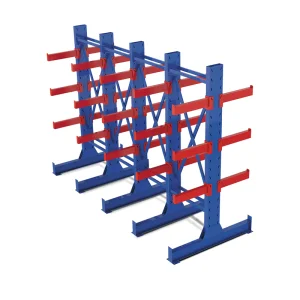
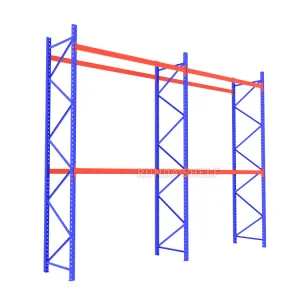
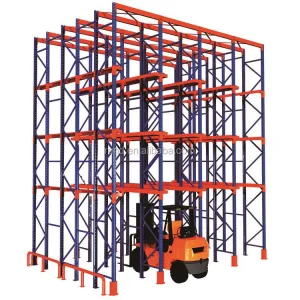
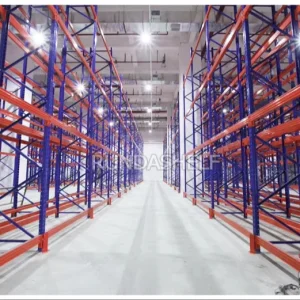
Nanjing Everack’s 38,500-square-meter facility in China leverages advanced Industry 4.0 protocols to deliver consistent structural integrity. Our manufacturing ecosystem integrates more than 1,200 upstream partners, giving us immediate access to certified structural steel, optimized logistics routes, and automated chemical processing. This integration provides a key competitive edge:
Our in-house QA department employs 45 certified inspectors. We test every production batch to verify material composition and weld integrity before container loading:
Step-by-step manufacturing and quality verification processes at the Nanjing facility
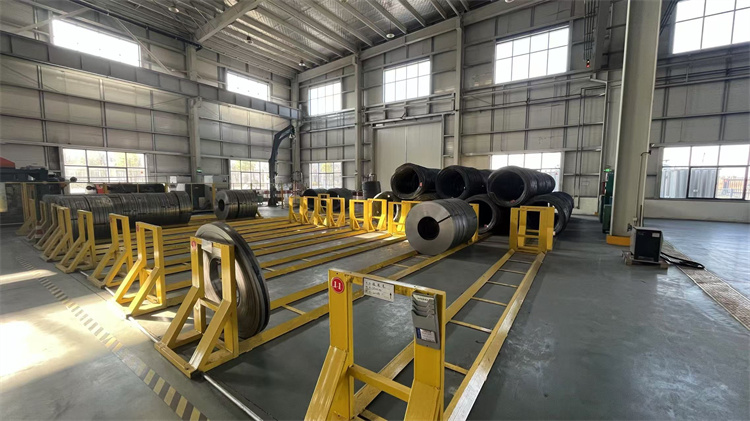


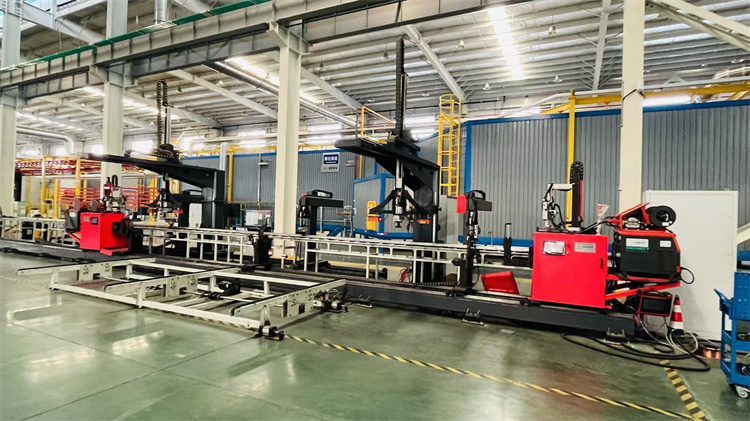


Heavy storage shelves must withstand static loads as well as dynamic, environmental, and seismic stresses. To achieve this, Everack's R&D team utilizes Finite Element Analysis (FEA) to simulate structural behavior under varied loads.
For installations in regions of seismic activity, such as Israel's Jordan Valley corridor, our designs incorporate:
Technical answers to common questions about importing and engineering heavy storage shelves for the Israeli market
Our engineering team performs Finite Element Analysis (FEA) calculations modeled on European Standards (EN 15512 / Eurocode 8) and Israel Standard SI 1227. We analyze local soil data, peak ground acceleration, and the physical warehouse configuration to engineer bracing patterns, upright profiles, and anchor points.
We use high-grade Q235B and Q345B steel. For cold chain applications in locations like Ashdod or Haifa, we offer hot-dip galvanizing (complying with ISO 1461 parameters) or specialized low-temperature powder coatings. These finishes resist corrosion and remain stable down to -30°C.
Production typically takes 20 to 30 days depending on system complexity. Shipping transit from major Chinese ports to Ashdod or Haifa is approximately 25 to 35 days. We coordinate all container loading, packing configurations, and custom clearances to simplify the import process.
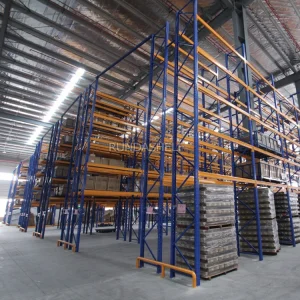
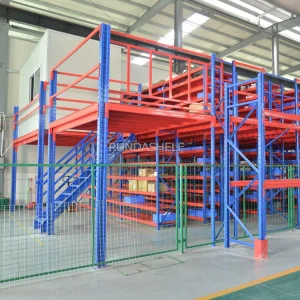
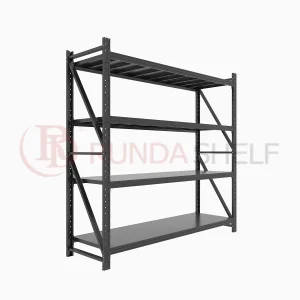
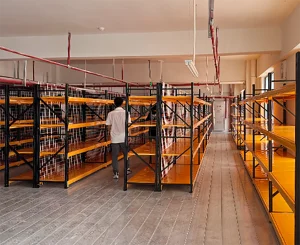
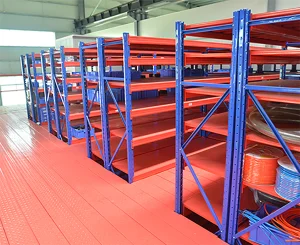
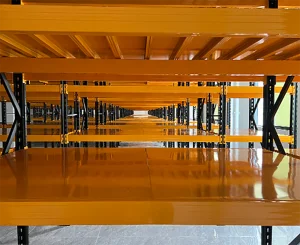
A full range of warehouse storage racks built to global engineering standards
Get in touch with our engineering team today. We provide full layout CAD modeling and seismic calculation analyses custom-tailored for Israeli logistics configurations.
Send Inquiry Now Everack