Direct from Nanjing Everack Storage Equipment Co., Ltd. - High performance structural solutions for heavy weight warehousing, cold storage, and convenience retail markets.
Leading structural logistics engineering with 12+ years of manufacturing and core industrial expertise.
Established officially in 2014, Nanjing Everack Storage Equipment Co., Ltd. has developed into a premier enterprise focusing on heavy-duty industrial racking design, storage box manufacturing, and intelligent warehouse infrastructure. Located in the key manufacturing hub of Nanjing, China, our specialized facility covers 38,500 square meters of advanced building area.
Over the past decade, we have honed our processes as a trusted global vendor. Our dedicated export history spans 9 years, allowing us to distribute high-capacity solutions across North America, Western Europe, and Australia. Backed by a strong infrastructure and lean operational methodology, we maintain an annual export revenue of USD 28.5 million.
Our solutions target high-demand environments. From automated e-commerce distribution centers and third-party logistics (3PL) terminals to cold storage rooms and high-turnover retail display structures, our storage components are designed to withstand structural stress and regional environmental hazards.
Leveraging the world's most integrated industrial steel and finishing network to optimize your bottom line.
Direct connection with tier-one steel refineries, professional hardware manufacturers, and eco-friendly coating suppliers keeps raw material costs competitive and supply continuous.
Using raw materials such as certified Q235 and Q355 high-tensile structural steel to ensure load integrity, elastic limit control, and long-term mechanical performance under stress.
Equipped with fully-automated spraying systems running continuous curing protocols. Delivers optimal epoxy finish, heavy scratch resistance, and protection against salt-spray corrosion.
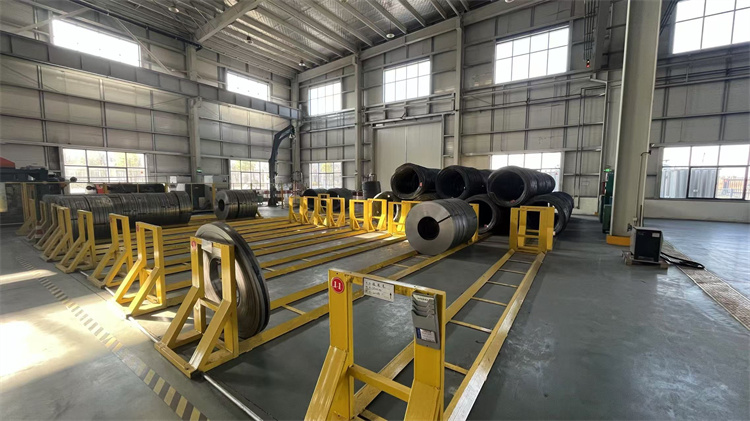
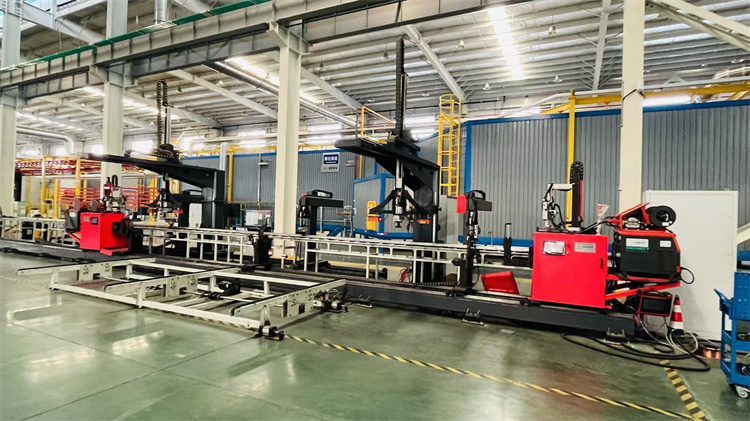
36 detailed steps showcasing our raw material processing, robotic precision manufacturing, and testing lines.




Overcoming spatial limitations with Finite Element Analysis (FEA) and dynamic seismic stress simulation.
Driven by strong engineering capabilities, Everack employs a professional team of 68 R&D engineers who utilize Finite Element Analysis (FEA) and 3D CAD modeling to engineer high-capacity, seismic-resistant storage systems. In the past year alone, our engineering unit successfully released 185 new product innovations and customized profile iterations.
Understanding that global retail organizations have diverse physical environments, our design procedures account for varying regional floor loads, environmental variables (like humidity or sub-zero refrigeration zones), and vertical space constraints. By analyzing static and dynamic load behaviors, we ensure the structural safety of every installation.
Every custom design undergoes digital simulations. We stress-test material compression, safety factor ratios, and deflection limits under physical load configurations before mass manufacturing begins.
Nanjing Everack designs and manufactures components that meet strict international regulations to facilitate integration into regional supply chains.
Our steel racking configurations are manufactured to meet Australia's AS4084 steel storage standards. We supply certified documentation to pass local building inspections and safety checks.
Racks and material handling units destined for European Union markets comply with CE guidelines and FEM design metrics, ensuring structural steel tolerances and weld safety.
Our products are engineered using steel structural profiles that meet American RMI (Rack Manufacturers Institute) guidelines, focusing on resistance against lift-truck impacts and seismic risks.
Nanjing Everack maintains a dedicated Quality Control department staffed by 45 certified QC inspectors. Testing starts at raw material procurement and continues through final shipping packaging:
Adapting warehouse and retail layouts to shifting supply chain patterns, online grocery models, and automated sorting.
As e-commerce demand calls for faster delivery, retailers are setting up micro-fulfillment centers within physical shops. This shift requires high-density shelving and modular bins to speed up sorting and retrieval.
Modern warehouses utilize autonomous guided vehicles (AGVs) and mobile cobots. Structural shelves must be manufactured with strict dimensional tolerances to allow automated systems to align and scan barcodes reliably.
Environmental regulations are shaping powder coating and material sourcing choices. Sourcing steel from mills with carbon-reduction programs and using non-toxic finishing coatings is becoming standard practice.
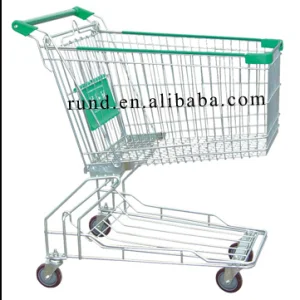
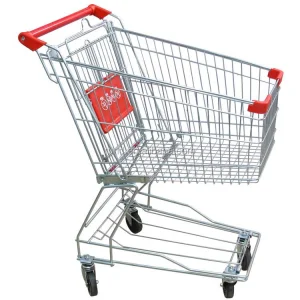
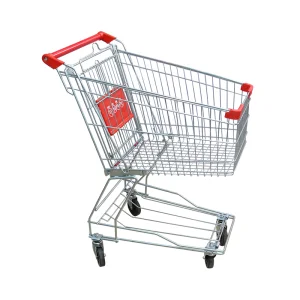
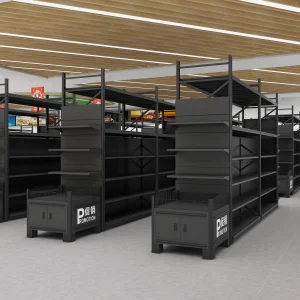
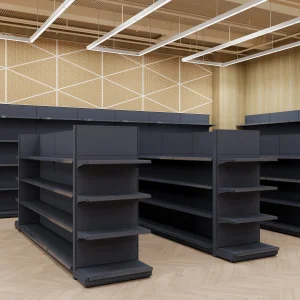
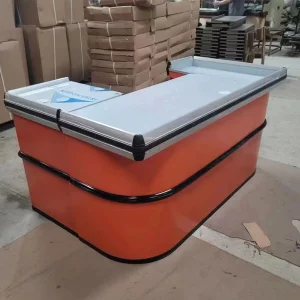
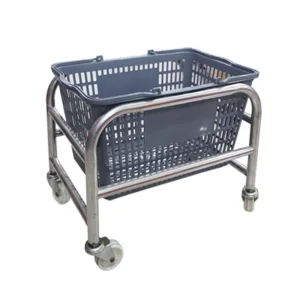
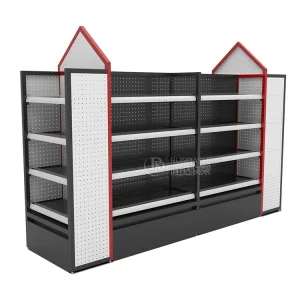
Adjustable light-duty gondolas, display racks, and specialized metal carts that make the shopping experience easier and hold up to high daily use.
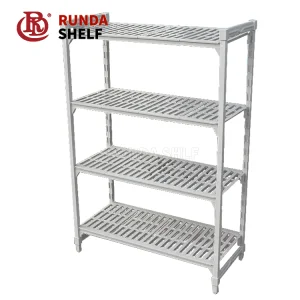
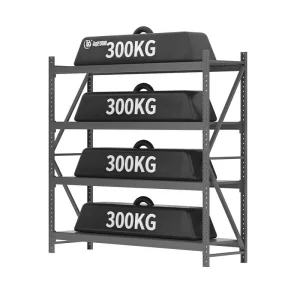
Drive-in racks, pallet flow systems, and heavy-duty steel shelves designed to withstand low-temperature storage conditions.
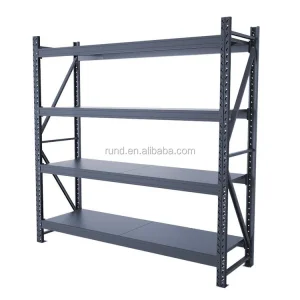
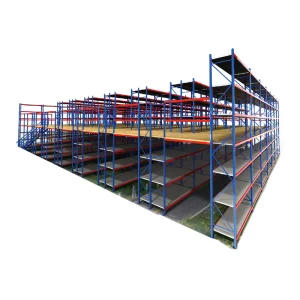
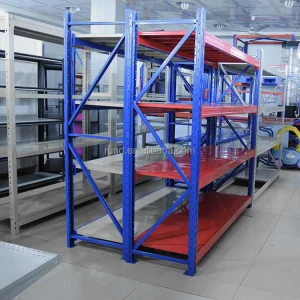
Multi-tier mezzanine configurations, pallet flow systems, and industrial shelving designed to maximize storage capacity and keep processes efficient.
Heavy-duty commercial components designed to withstand daily mechanical loading and unloading cycles.
Answers to common technical, logistics, and production questions from our global clients.
These regional codes govern structural steel design, testing protocols, and load limits. AS4084 is the Australian standard that defines testing for rack upright deflection and baseplate thickness. CE compliance confirms that products sold in Europe meet relevant health, safety, and environmental protection regulations, with structural design verified against FEM standards. The American RMI code establishes design rules to resist vertical loads, seismic forces, and accidental impact damage from forklifts.
Our structural engineers use Finite Element Analysis (FEA) to simulate seismic accelerations based on regional building codes. To address earthquake loads, we optimize the upright column dimensions, design specialized seismic diagonal bracing configurations, and supply oversized, thick steel baseplates. This configuration distributes seismic forces and anchors the racking securely to the warehouse floor.
Standard manufacturing lead times are usually 25 to 35 days after structural designs and drawings are finalized and approved. Large-scale custom projects involving new roll-forming tools or custom powder-coating colors may require an additional 10 to 15 days for mechanical setup and quality testing.
For cold and sub-zero storage rooms with humidity levels that cause condensation, we recommend hot-dip galvanized finishes or a dual-layer epoxy-polyester powder coating. The galvanizing process coats the steel inside and out with a protective zinc layer to prevent oxidation, even if the rack's surface is scratched.
We use automated welding robots to perform uniform, clean welds. Our quality control team checks these welds using Magnetic Particle Testing (MPT) and ultrasonic testing. This enables inspectors to detect internal voids, micro-cracks, or incomplete penetration that could affect structural integrity under full load capacities.
 Everack